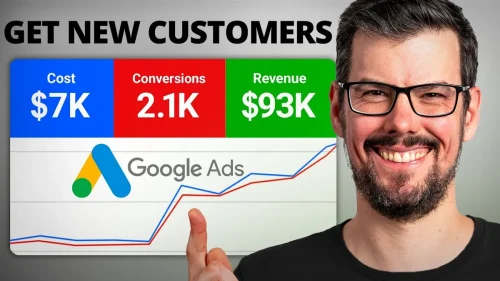
99% of Shopify stores never rank high on Google because no one’s talking about them. After 10 years of growing stores using every SEO strategy out there, this one beats them all and your competitors aren’t doing it.
In this article, I’ll show you how we rank stores fast and get mentioned by AI tools like ChatGPT using ecommerce digital public relations (PR).
Here’s something most Shopify brands completely miss, and it’s the reason their name never gets mentioned by anyone, not even AI. Without this step, your brand stays invisible.
Get More Backlinks for Your Store
I made a free AI tool and a free SEO Backlinks Shopify app to help you get backlinks and media mentions for your store.
The Power of Backlinks in SEO and GEO
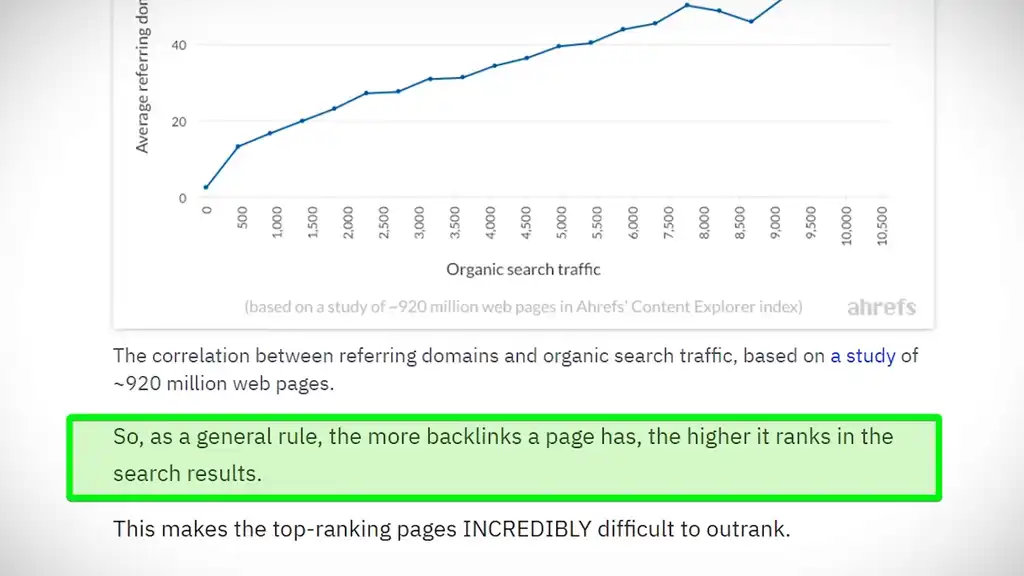
The truth is, backlinks on other websites are the most powerful part of SEO and GEO. They’re how Google and AI decide who to trust. Studies from Backlinko, Semrush, and Ahrefs all show the same pattern: the more quality backlinks you have, the higher you rank and the more traffic you get.
So if no one links to you, you don’t exist. You can write a hundred blog posts and still stay invisible. Try it right now. Ask ChatGPT to name the top Shopify stores in your niche. You’re probably not there. That’s not because your brand isn’t great. It’s because AI can only see what’s already published online.
Real Results from Ecommerce Digital PR
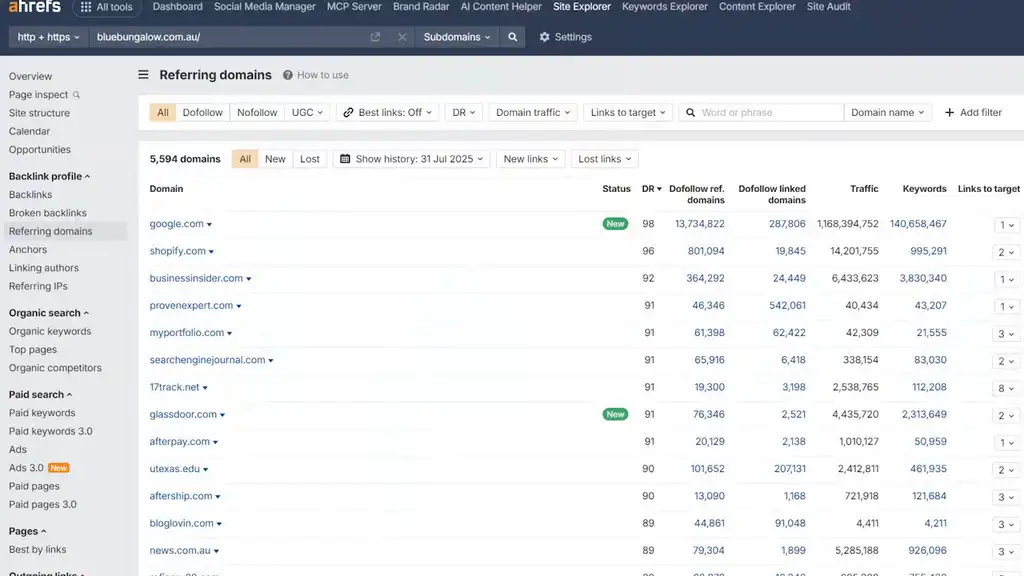
We ran this strategy for a Shopify brand called Blue Bungalow and suddenly, boom: backlinks from Reader’s Digest, Business Insider, even Shopify themselves.
I copied the same playbook for my own agency’s website, Digital Darts, and the results blew my mind. Backlinks from Google. Microsoft. HubSpot. Daily Mail. Before that, I couldn’t get a single mention and now we were landing mentions from the biggest websites in the world.
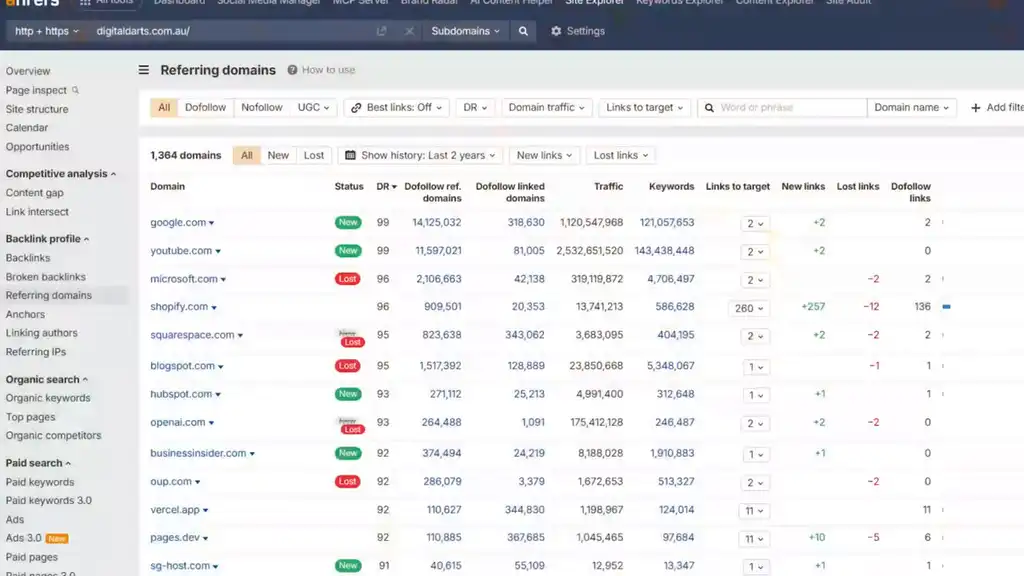
The shift that changed everything was digital public relations, also known as digital PR. And here’s the crazy part: you don’t need any insider contacts or a PR agency retainer to pull it off. You just need the right system. I’m going to walk you through it step-by-step as you see me achieve a real press mention and backlink on another website. I’ll use a free AI tool to help you land high-value backlinks every month so that the links send traffic, boost SEO rankings, and make sure AI finally recognizes your brand.
Why Ecommerce Digital PR Beats Every Other Link-Building Strategy
This is where most Shopify brands get it completely wrong. Most store owners have no idea how to get good links on other websites. If they do, they’ll chase easy ones like directories or random blog lists, and wonder why nothing changes.
Not all backlinks are created equal. If I offered you $1,000 or $1, you’d pick the $1,000 every single time because it’s worth more. Digital PR is that $1,000 link for your Shopify store. Those easy backlinks? They’re the $1 scraps that look shiny but do nothing.
When your brand gets mentioned in trusted outlets like Forbes, Business Insider, or Shopify’s own blog, three powerful things happen:
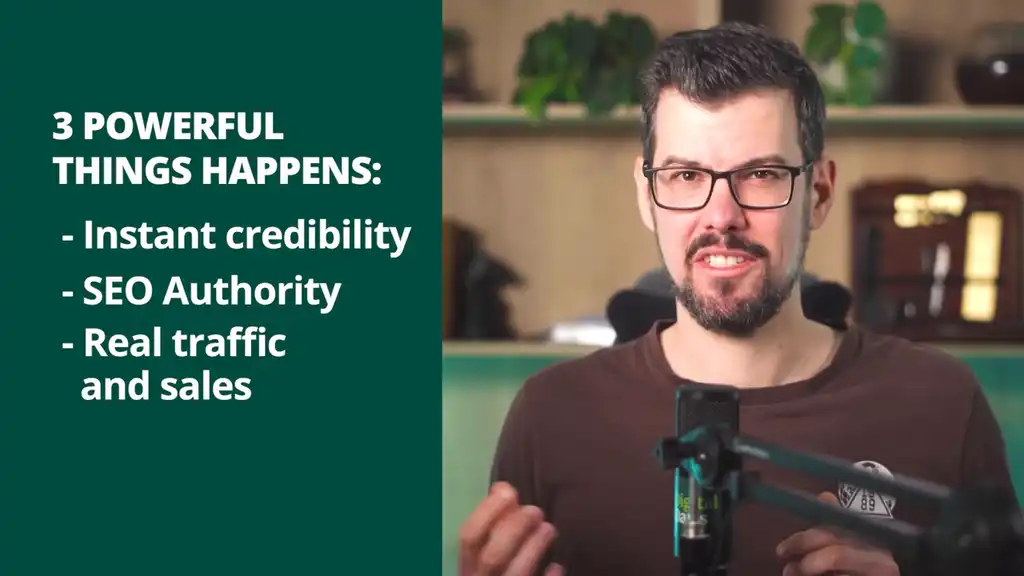
- Instant credibility. You can now say “As seen on…” right on your homepage. That’s social proof that boosts conversions overnight.
- SEO authority. These sites have massive domain authority. When they link to you, that credibility flows straight to your site, giving you quality over quantity, which is the secret to high Shopify rankings.
- Real traffic and sales. People actually read these outlets. You’ll see traffic spikes and, often, direct sales from the exposure alone.
Compare that to old-school link-building like directory links, forum commenting, or social bookmarking sites. Anyone can get them. No one brags about being “featured on Yellow Pages.” They barely move your rankings because anyone can get them so easily, and nobody’s browsing those sites looking to buy from you.
So here’s the rule I live by: the easier a backlink is to get, the less impact it has.
That’s exactly why most SEO agencies avoid digital PR. It’s hard. But “hard” is good news for you because it means few of your competitors will ever do it. And when you follow the exact step-by-step system below, landing your first PR backlink becomes easy thanks to a free Shopify app and a free AI tool.
Step 1: Establish an Authority Figure
If you skip this first step, none of the others will work. The biggest mistake I see when brands try to do PR is they have no human face. Journalists don’t quote logos, they quote people. If your brand has no one to speak for it, it doesn’t exist in their world.
We got our Shopify SEO client Mudbrick Herb Cottage mentioned in The Sun. My SEO manager Emily achieved this by being able to position someone in the company as an expert. The pitch had nothing special about it except authority.
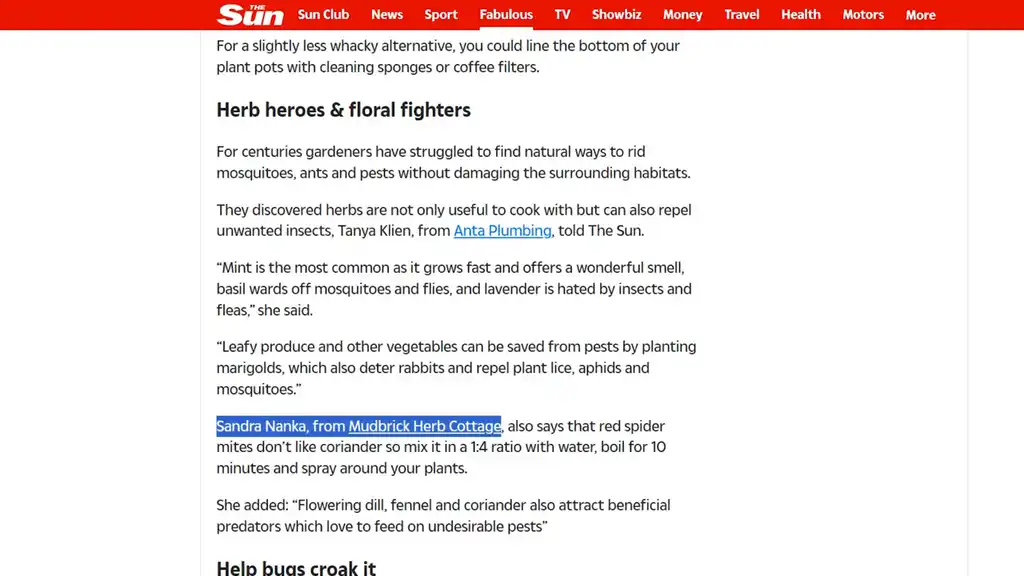
So the first step you need to land more PR backlinks is an authority figure; the face of your PR whose name will go onto quotes.
If you don’t have an authority or expert, don’t worry. I’ve worked with many Shopify brands who didn’t have one. Most brands we grow are run by regular people.

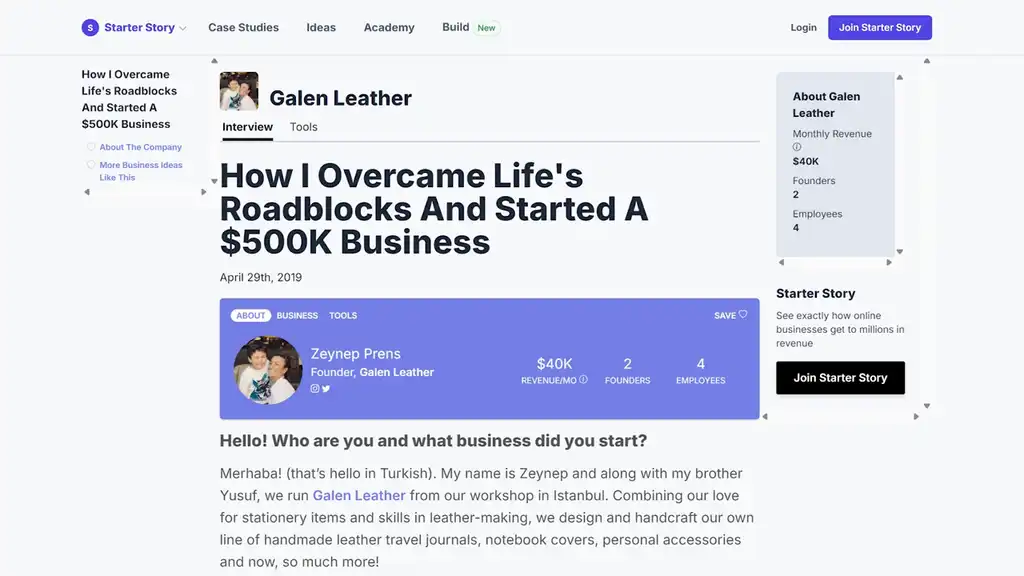
First, no one will make you an expert until you give yourself permission to be one. So even if you think your brand doesn’t have one, put your hand up and make yourself one. One of my clients, Galen Leather, finally did this. They simply allowed my team to put their founder’s name on the next PR pitch, and they landed a full story on StarterStory.com.
Second, here’s what’s really cool: if your founder’s shy or your brand is faceless, you can create a pen name, a consistent persona who represents your company. I’ve landed backlinks from massive publications using pen names. Because at the end of the day, journalists don’t care if it’s your real name. They care that there’s a credible voice they can cite.
Step 2: Let the App Watch the PR Platforms
Once you have your authority figure, you need a steady stream of journalist requests to pitch. The old way was to sign up for a stack of platforms and sort a different email digest from each one every morning. That’s a lot of tabs and a lot of noise.
Our free SEO Backlinks by Digital Darts app does the watching for you. Install it and it monitors the major journalist request sources around the clock: HARO, SOS (Source of Sources), SourceBottle, MentionMatch, Connectively, and X. Every request is pulled into one place inside your Shopify admin, so you don’t need to log in to multiple platforms or manually sort through separate digests.
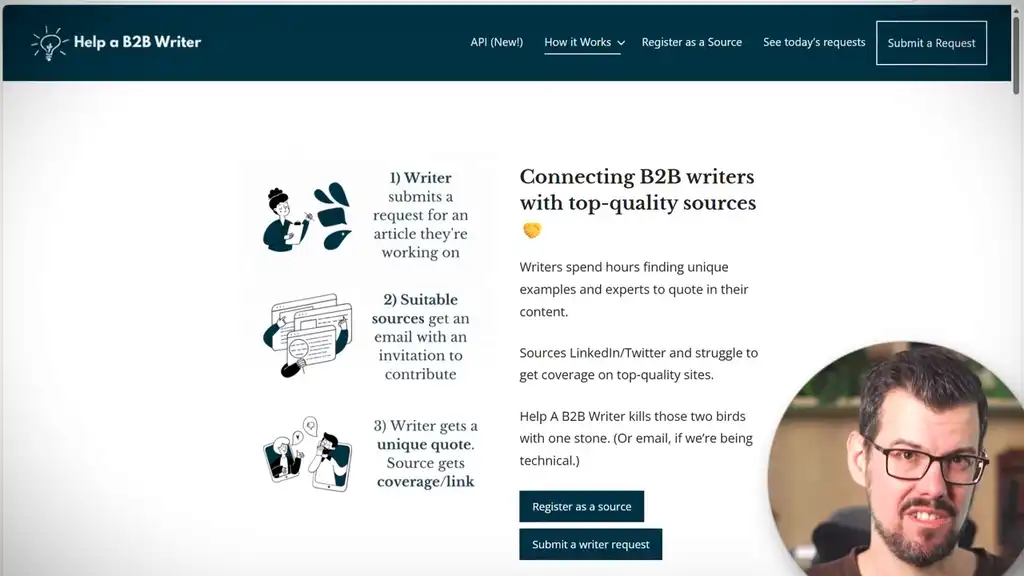
Want even more reach? These platforms aren’t watched by the app, so sign up for the ones that fit and pitch them manually:
- Qwoted: 5 free pitches, then 2 pitches per month. Use your own shop’s domain in the email for an easier verification process.
- Editorielle: paid, but great if you’re in food, fashion, or beauty. Vogue, Glamour, GQ, and Grazia source experts on this platform.
- Journo.com: a paid option worth checking out to scale your digital PR. A lot of PR platforms hate AI, and Journo will kick you out if you’re caught being lazy with AI submissions.
The app covers the highest-volume sources for free. The extra platforms are a bonus, not a requirement, so start with the app and add the others later if you want to widen the net.
Step 3: Add Your Keywords
The app only shows you requests worth your time, and it works that out from the keywords you give it. Open PR Settings and add the topics you can speak to.
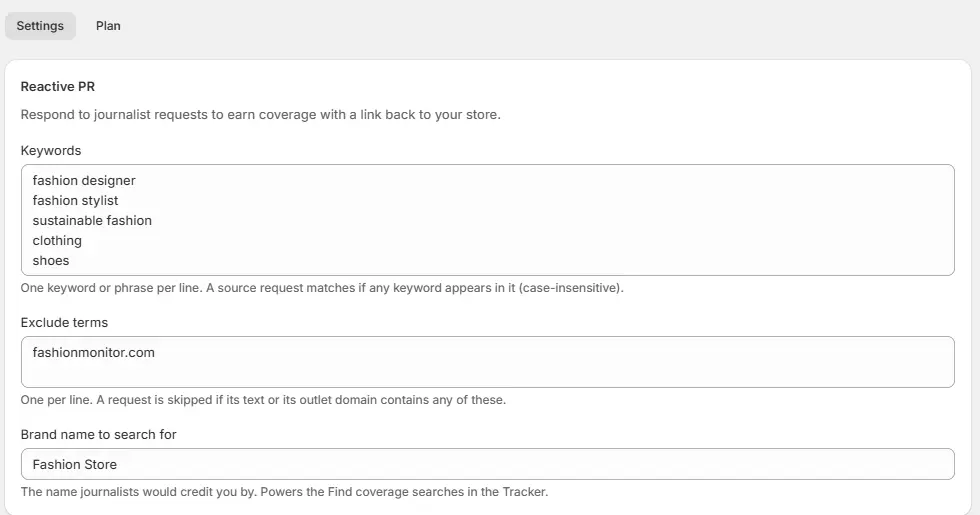
Add two kinds of keyword:
- Your expertise or role: what a journalist would quote you as, like “fashion designer” or “fashion stylist.”
- Your category: the broader world you belong to, like “clothing,” “shoes,” or “sustainable fashion.”
Any journalist request that mentions one of your keywords lands in your feed automatically, newest first. Add an exclude term to block a topic, or a whole outlet, you never want to see. Set your brand name too, because the app uses it later to confirm when your quote goes live.
If you also signed up for the manual platforms in the last step, fill out their profiles while you’re here. Treat each profile like your LinkedIn: a clear byline, your area of expertise, your website, and every contact method you’re happy to share. On those platforms some journalists browse profiles to find experts, so a strong one gets you found. On SEO Backlinks there’s no profile to optimize, because it’s reactive: it brings the requests to you.
On a platform like Featured, write a byline that highlights your area of expertise in a few words. If you’re an expert on plants, don’t just put “I love plants.” Add your website and as many contact methods as you can. In your about section, include keywords that describe what you do and what you want to be found for. At the end, mention that you’re open to opportunities and invite journalists to reach out.
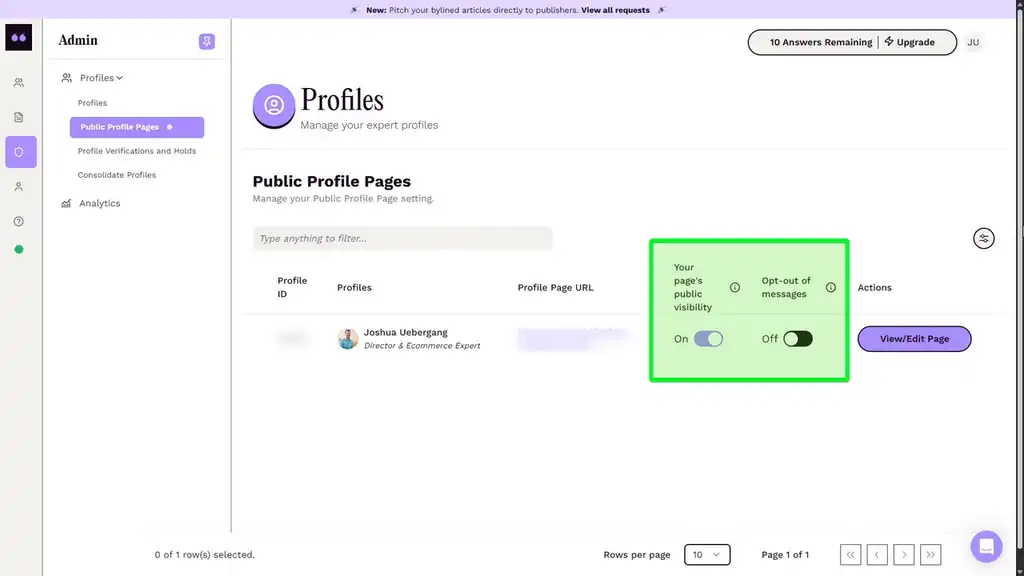
Step 4: Work Your Matched Opportunities
This is where the setup pays off. Open the PR Opportunities tab and you’ll see every request that matched your keywords, ready to triage. There’s no ten-minute-versus-one-day race to win, because the moment a request is published it’s already in your feed.
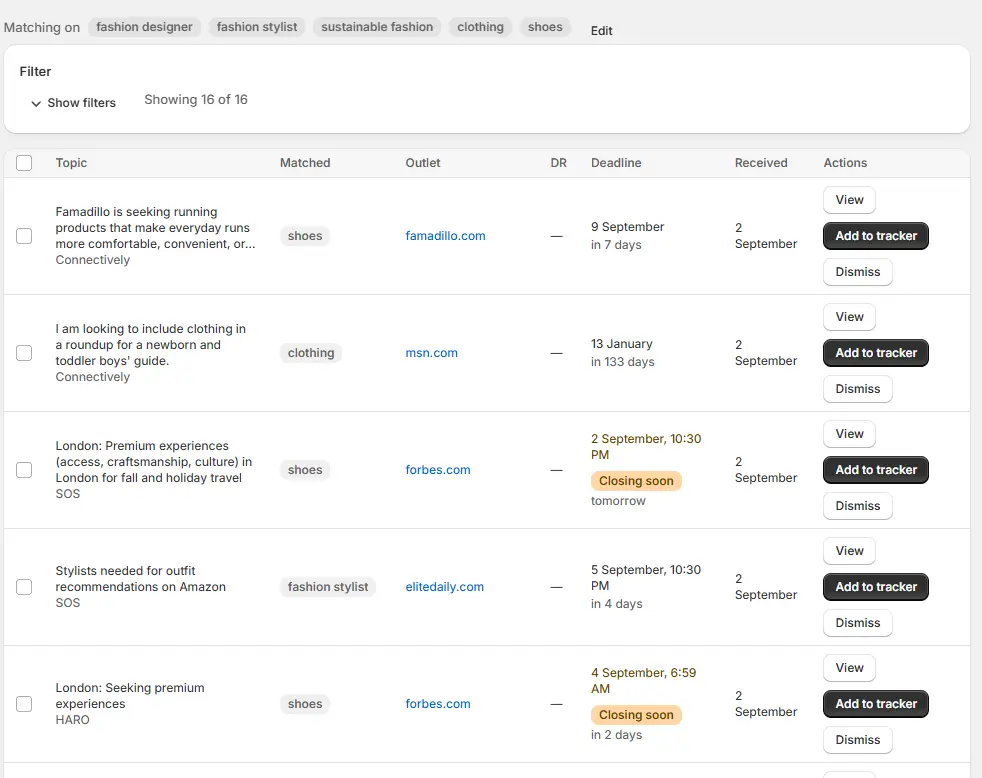
Each row shows the topic, the source, the outlet, and its Domain Rating (DR), so you can judge the prize before spending a minute on it. Filter by source, DR, or deadline to chase only the high-authority outlets that actually move your rankings. Anything flagged “Closing soon” is about to expire, so start there. Add the good ones to your Tracker with one click and dismiss the rest to keep the feed clean.
How to Find PR Opportunities in Any Niche
There’s one more lesson that most people skip and if you miss this, you’ll miss dozens of great backlinks like the ones my team and I landed from Business Insider and AOL.
Not every niche gets the same number of PR opportunities. If you sell something like computer cables, you’ll hardly see any opportunities to write about computer cables. That doesn’t mean PR can’t work for you. Because here’s the secret: SEO and AI mentions do not discriminate on niches.
Even if you sell breakfast cereal, you don’t need every link to be about cereal or food. Think of digital PR like a set of four circles, and use the feed’s filters to work them in order.
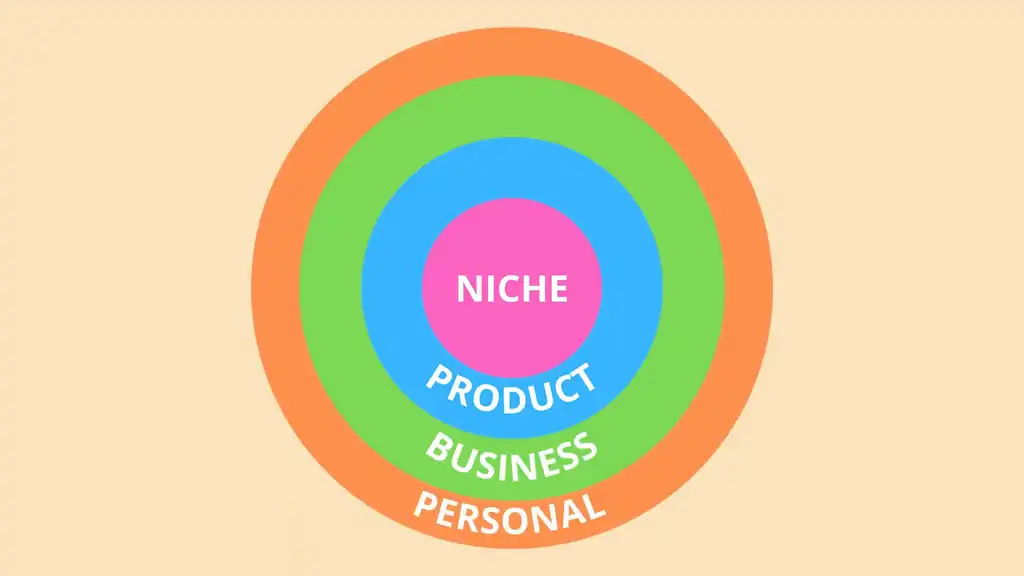
- Circle 1: Your direct niche. The most relevant opportunities. For my agency, that might be getting quoted by Jasper.ai about SEO. These are golden because they’re highly relevant and great for SEO.
- Circle 2: Your product category. Using the cereal example, this includes anything related to food. Still relevant, just a bit broader.
- Circle 3: Business. General business opportunities where you can share lessons from running your brand, mistakes you’ve learned, or tools you use. For instance, we got Galen Leather on Shopify by talking about their packaging.
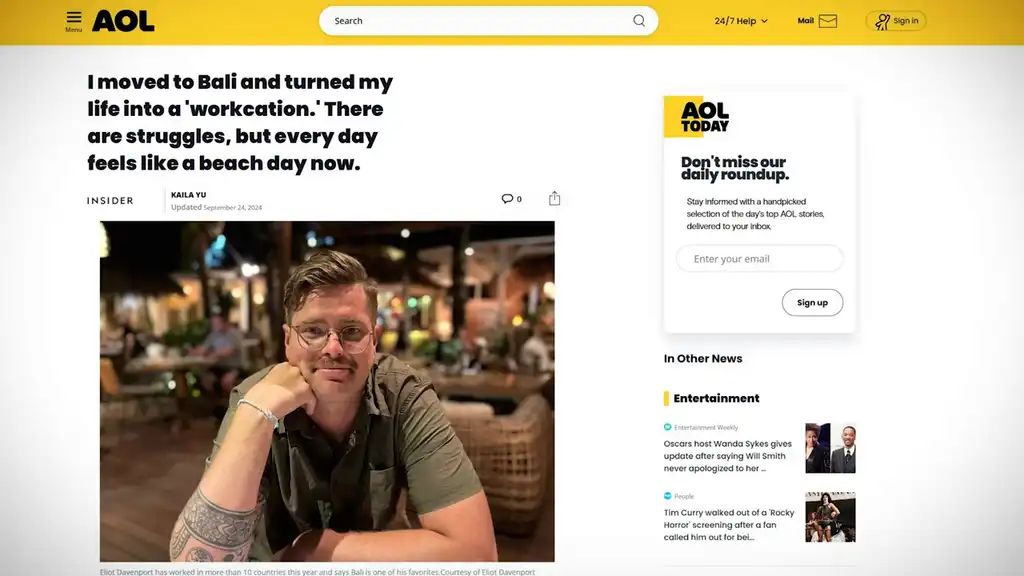
- Circle 4: Personal. These opportunities are outside business entirely; lifestyle, relationships, politics, personal finance, and more. My SEO manager Eliot got a backlink on AOL after sharing his story about moving to Bali while working remotely. That article had nothing to do with SEO, but it still linked to our site because he mentioned his role at Digital Darts.
The circular framework isn’t about avoiding any circle, it’s about prioritization. Focus first on inner-circle opportunities because they’re most relevant and face less competition. Journalists in those areas get fewer pitches, and since those topics match your authority, your chances of being accepted are much higher.
When you’ve got your keywords and this prioritization system in place, you’re no longer guessing which PR chances are worth your time. You’re strategically choosing the ones that build authority, get backlinks, and move your Shopify SEO forward.
Step 5: Write a Pitch That Lands the Backlink
You’ve got your first media opportunity in the feed. Now it’s your chance to turn that into a backlink and real exposure. But here’s the catch, thousands of other business owners just got the same request. Only a handful, sometimes even one, will actually get featured.
Most people do what’s easy. They copy the journalist’s question, paste it into ChatGPT, and hit send. It feels efficient, but it’s the fastest way to get ignored and in some cases, banned from the platform. Journalists can spot AI fluff instantly. What they want is something that sounds human, specific, and memorable. Even when the question looks simple, never just answer it directly. That’s the fastest way to blend in with everyone else.
That’s why I use a four-part structure that’s helped dozens of Shopify brands land real media coverage to improve their SEO. It works for nearly every opportunity because it taps into psychology and gives journalists exactly what they’re looking for.
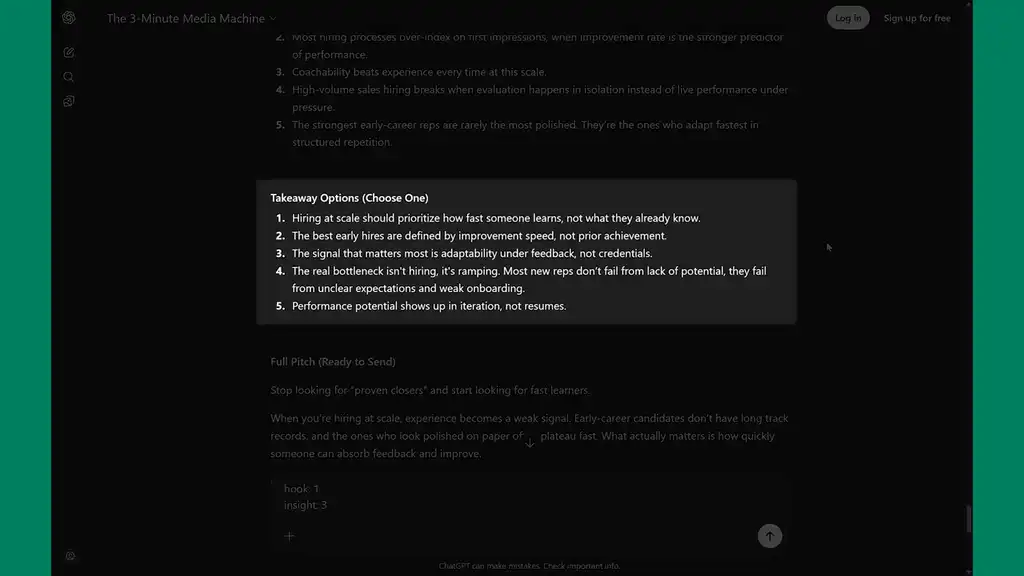
The 3-Minute Media Machine: A Four-Part Pitch Structure
The following process utilizes the free tool I created for you to turn journalist requests into high-authority backlinks and press mentions to grow your Shopify SEO.
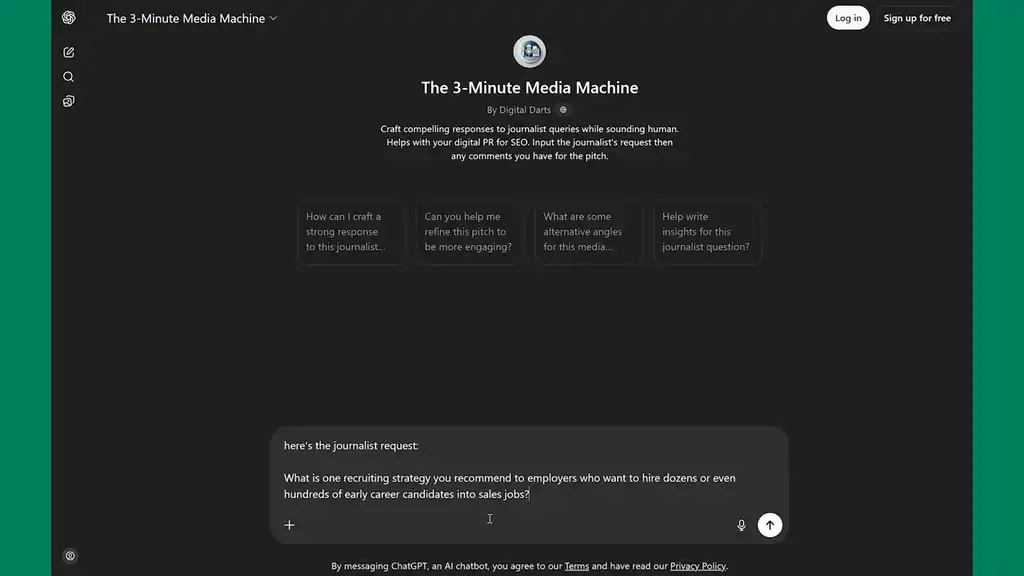
Part 1: The Hook
This is your opening 1 or 2 lines max. The hook’s role is to grab the journalist’s attention right away. If you grab the journalist’s attention, they’re likely to reuse it in their publication to attract readers.
There are three types of hooks that will set your response apart from everyone else:
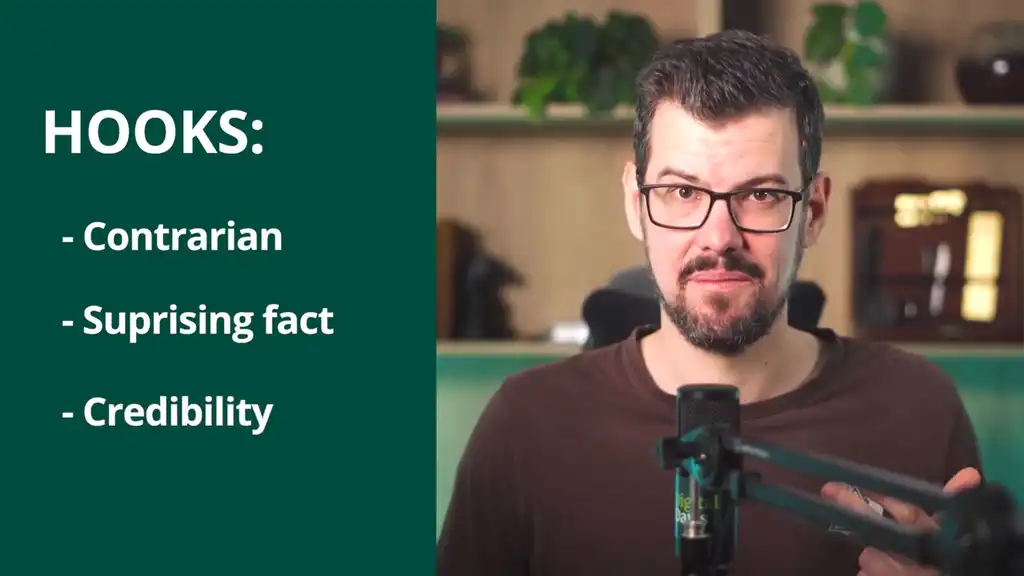
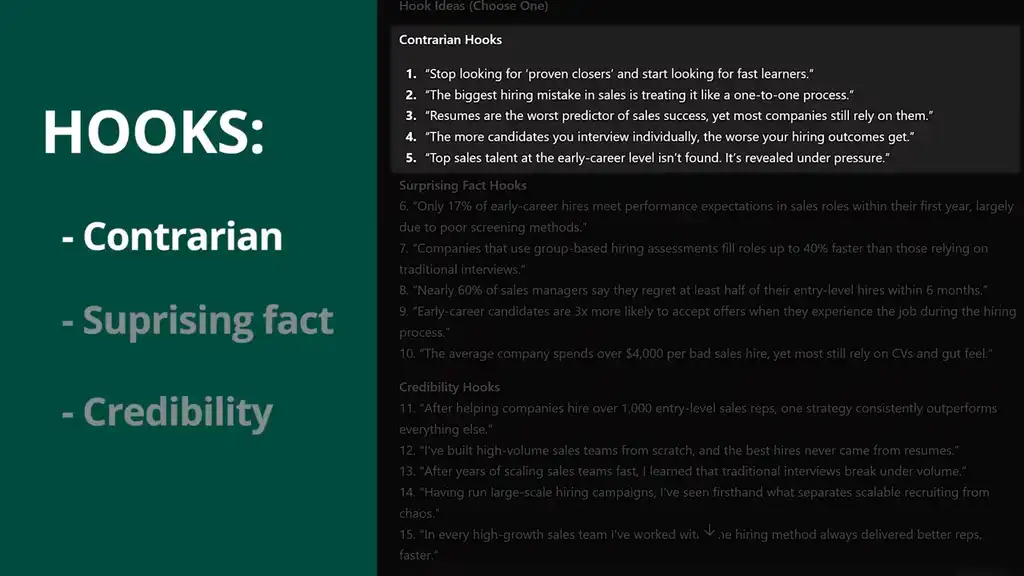
Contrarian hook: challenges conventional wisdom. Journalists love fresh perspectives, and a contrarian hook makes them curious to understand why you don’t follow the norm and how your approach is different. It’s about using cognitive dissonance to interrupt and surprise.
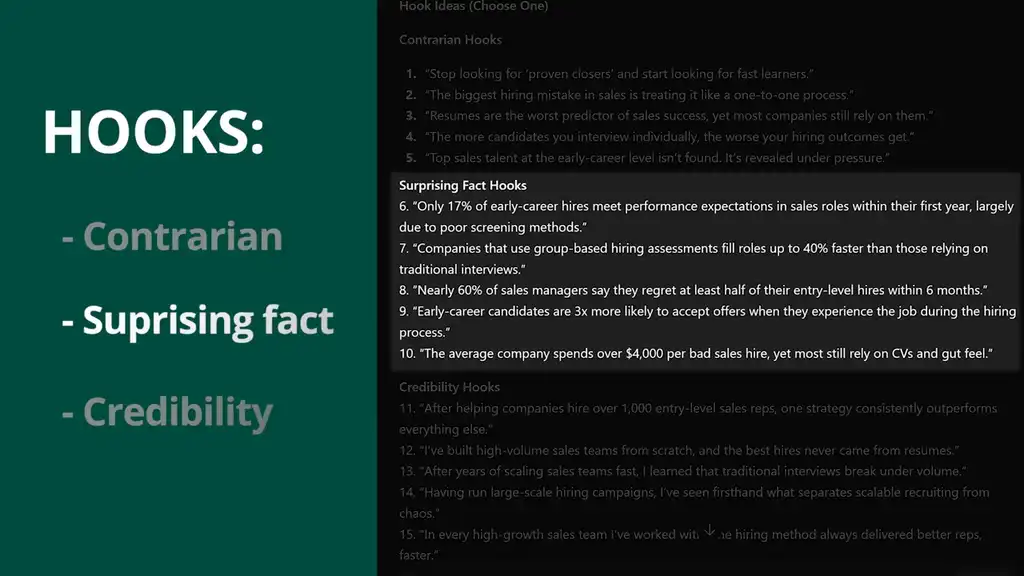
Surprising fact hook: by presenting a surprising fact, you make the journalist, and their audience, stop and think about their own practices. They’ll want to know more about the gap and how they can avoid it. This hook is hard to do as you need unexpected data, but AI research makes this a breeze.
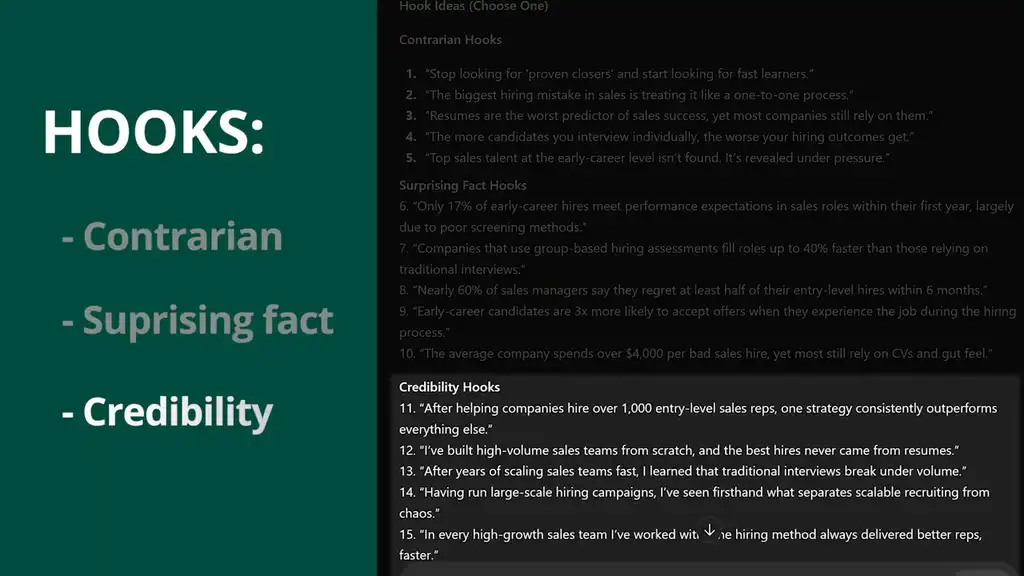
Credibility hook: establishes authority quickly as someone who has seen the challenges firsthand and knows how to solve them. It appeals to journalists who are looking for expert sources with a proven track record.
Whether you choose to challenge the norm, present an unexpected fact, or establish your authority, the goal is to make the journalist stop and want to read more.
Part 2: Insight
Here, you’ll provide deeper context by sharing a personal story or example related to the hook. This makes your pitch relatable and being relatable makes for good PR.
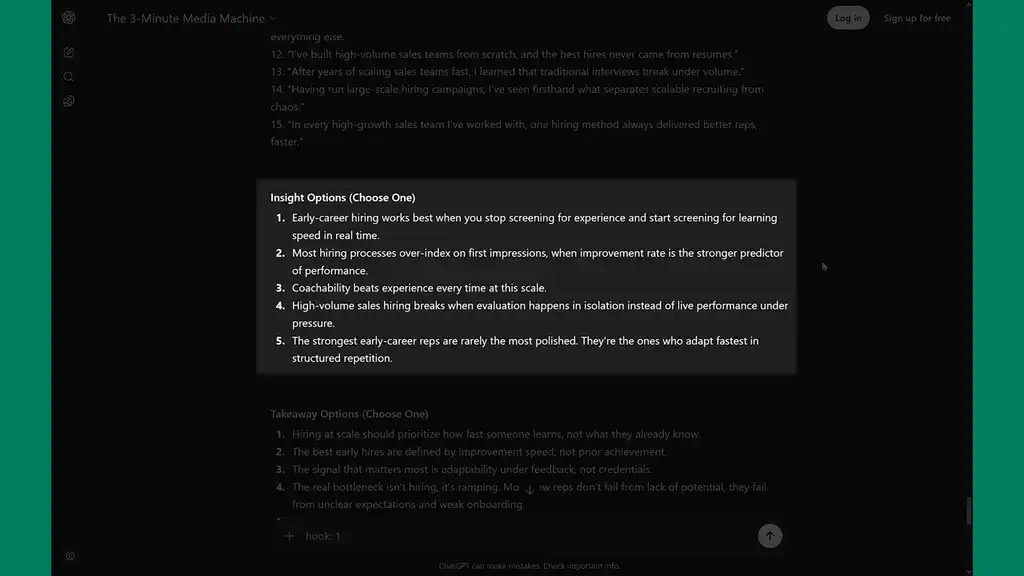
Part 3: The Takeaway
This provides actionable advice readers can apply. Offer something practical that your audience can immediately implement to start seeing results. Think of this as the logic section of the pitch.
Part 4: The Close
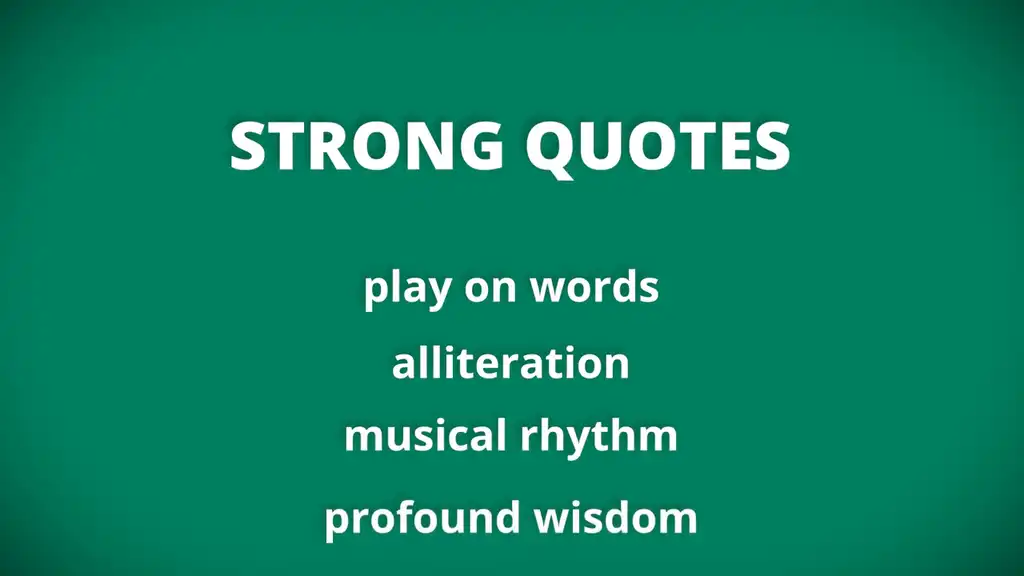
Here you want to emphasize to readers the main point or benefits of following your advice. I highly suggest you finish the pitch with a strong quote that ties everything together. Strong quotes have a play on words, alliteration, musical rhythm, or contain profound wisdom.
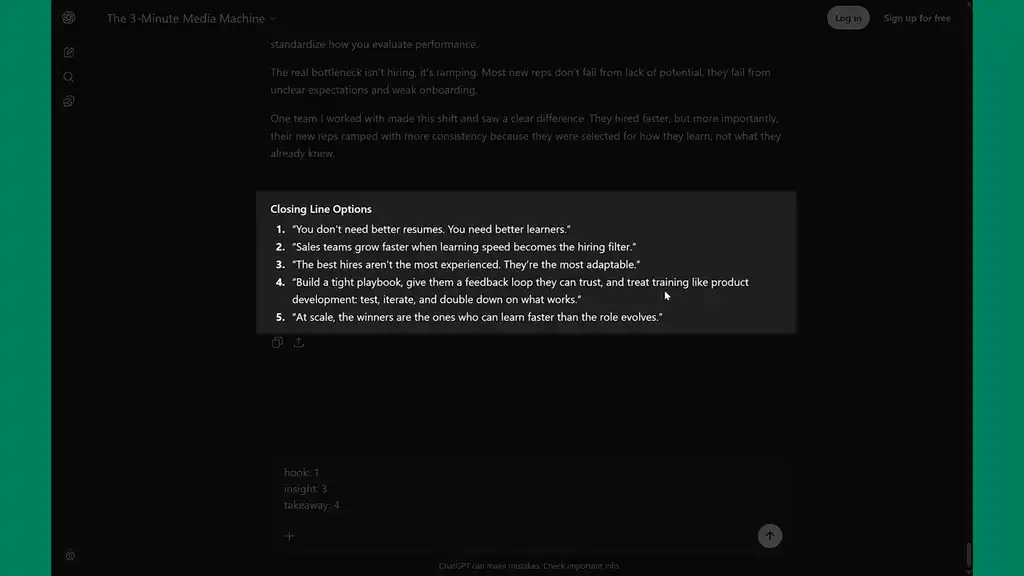
Then at the end, always include your name, position, and the full website URL you want linked to.
Step 6: Track Every Pitch in the App
Whenever you finish a pitch, track it so you have a record of what’s done and what’s working. You were probably going to build a Google Sheet for this. The app already is that sheet.
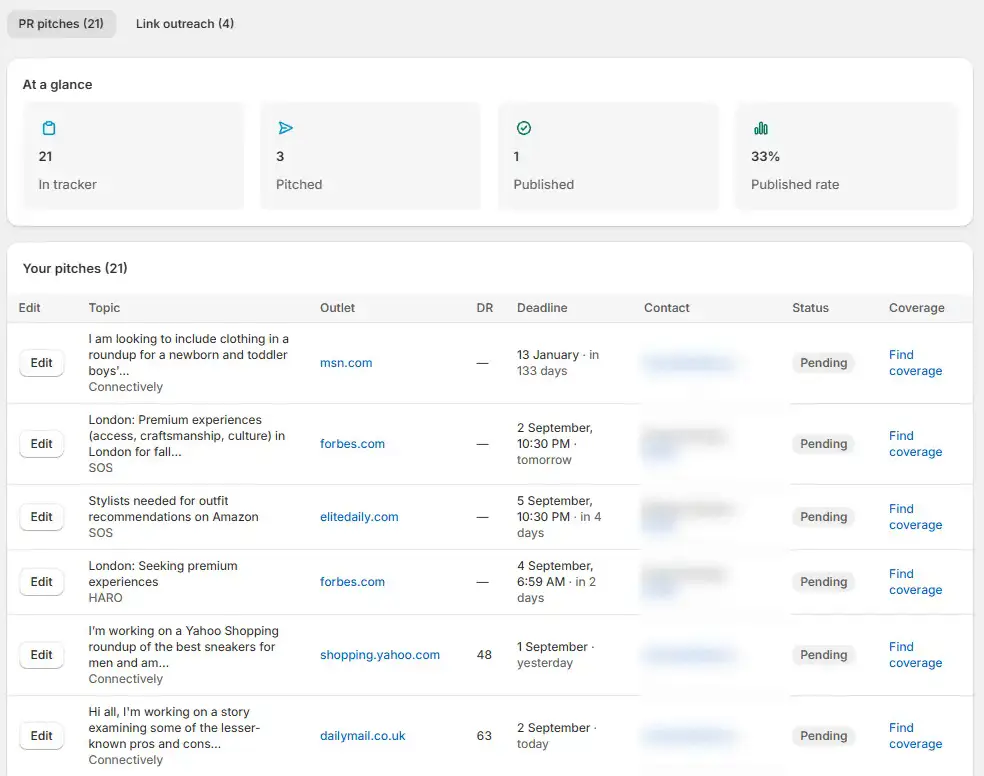
Every opportunity you add becomes a row in your Tracker. For each one:
- Log the pitch you sent. Paste your reply into the pitch field so you can reuse it, or repurpose it into short videos and emails later, which is great for Shopify brands wanting new content angles. Mark it submitted and the date stamps itself.
- Source and outlet, tracked automatically. See which platforms actually produce results over time.
- Confirm the coverage. Journalists rarely tell you when they use your quote, so use the Find coverage button, which runs a search like site:outlet.com “your brand”. When you find the article, paste the URL and set the status to Published.
The tiles at the top count how many pitches you’ve tracked, pitched, and published, plus your published rate, so you always know if the habit is paying off. Every Published row is a real editorial backlink, dated and linked, ready to reference in your marketing.
Make Digital PR a Daily Habit
When Shopify brands and marketers start out doing digital PR, they stay on top of it for a week, then stop. If you’re going to succeed, you’ve got to make this part of your daily work routine. The good news is the app shrinks that routine to minutes: no logging into seven platforms, no sorting digests. Create a repeating daily task in your project management tool like ClickUp or Asana to open SEO Backlinks, work today’s matched opportunities, and update the Tracker. Consistency is the difference between those who succeed with digital PR and those who don’t.
The awesome news is I landed that mention I showed you earlier, and I got a bunch of others using the same AI tool you can use for free.
Now you know how to do digital PR to grow your Shopify brand but you’ll still lose money if you make common marketing mistakes that quietly kill profit. Read this next article about Shopify Marketing Mistakes and how to fix them for your brand.
Find High-Value Backlink Opportunities in Minutes
Get more authority backlinks for your store, free. We built a free Shopify app, SEO Backlinks by Digital Darts, that watches the journalist request platforms, matches every media opportunity to your keywords, and keeps all your pitches in one place.
What You Should Do Next...
Get More Free Tactics
Subscribe for tutorials and tactics to grow your Shopify store. You'll also immediately download the 30+ page deck "4 Rules of Store Growth: To Sell More on Shopify, Escape Work You Hate, Boost Profit, and Have a Business You're Proud Of".
Work With Us
We partner with a small number of Shopify stores each quarter to scale paid ads, SEO, and conversion rate. If you're serious about growth, apply below. If it's a fit, we'll schedule a call to map out your plan.
APPLY TO WORK WITH US