The number one reason Shopify brands don’t grow fast isn’t because of intelligence. After scaling hundreds of Shopify stores over 10 years, I’ve discovered that slow-growing stores make these eight mistakes.
So in this video, I’ll show you why this year’s growth playbook is already broken, the step-by-step system you can install today to scale your store so fast it feels illegal, and a real brand crushing it using this exact same system so you can do it too.
Get The Facebook Ads Campaign Framework For Stores
Download my free template to easily test Facebook creatives and structure your campaigns the right way for growth. All in one simple Google sheet.
Why Most Shopify Stores Fail To Scale Quickly
After scaling hundreds of Shopify brands, I’ve seen the same pattern: founders chase first-order profit, squeeze campaigns for break-even returns, and leave no room to learn. They burn out before they ever break six figures.
The problem is simple: they confuse survival money with growth money.
Rent keeps the lights on. Marketing spend should buy answers. Mix those two up, and your store never leaves survival mode.
Nick Shackelford, now head of retention at Brez, proved this point while growing the brand to $5 million in monthly revenue in just two years. In their first quarter, Brez spent between $75,000 and $100,000 not to make money back right away, but to buy learnings before earnings.
Brez paid to discover what headlines resonated, which static ads pulled clicks, and what claims they could actually make around their THC-infused drinks.
Which message lands? Which audience cares? Which offer makes people stop scrolling?
By the end of those first three months, they had mapped out which creatives and which audiences could scale profitably. That’s how they hit $5 million a month while most brands still wonder why their ads don’t work.
The fastest-growing brands know they’re buying answers over clicks or even sales.
Every test is a tuition fee. Pay it, and you earn the right to scale. Refuse, and you’ll keep repeating the same mistakes until the store flatlines.
Ad Spend As Education For Scaling Shopify Brands
Most founders fail because they demand immediate profitability. That pressure kills testing, which kills growth. You don’t need $100,000 to apply this principle.
Even with $500 to $1,000, you can run the same experiments. The lessons are the same but the speed to acquire the lessons changes. Brez compressed their first cycle of market testing into three months.
On a smaller budget, it might take a year or two, but if you scale your ads spend without wasting budget, you’ll still uncover what really drives customer decisions.
The key is to run your budget in tranches. Each tranche should answer one clear question:
- Is it the price?
- The message?
- The offer?
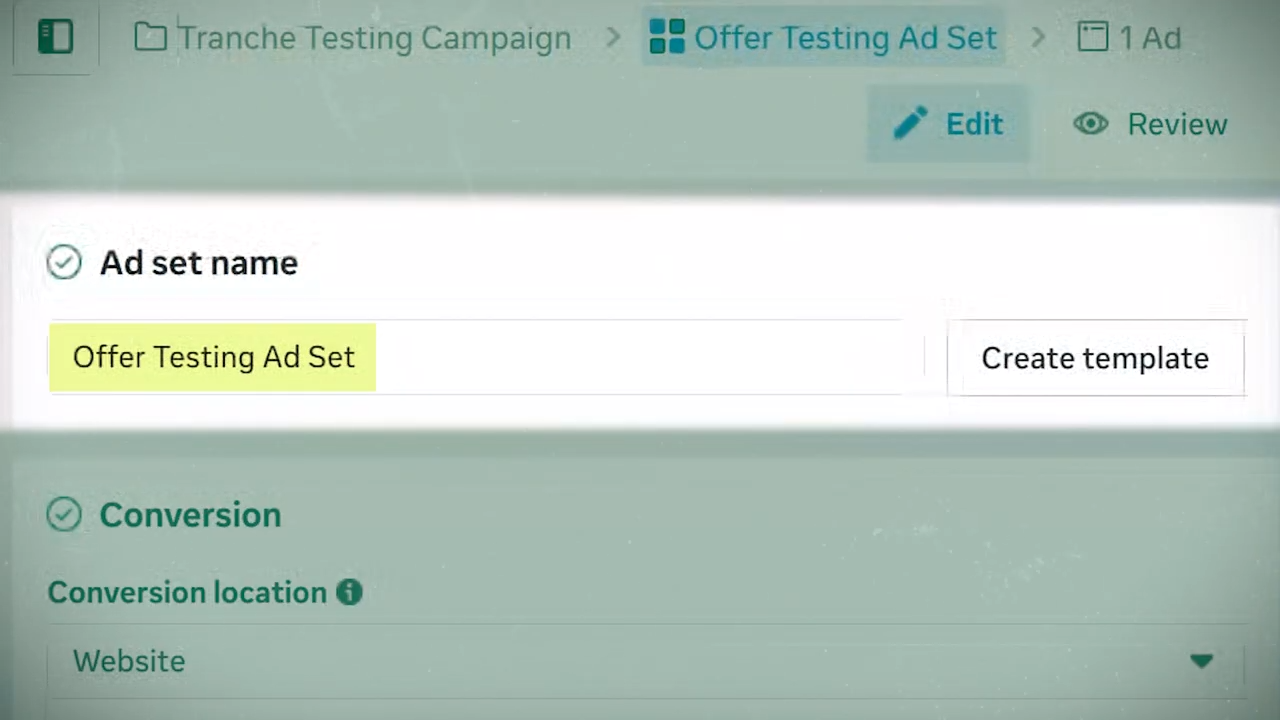
Break it down so every dollar has a purpose. That’s how you turn ad spend into an education system instead of wasted cash, and it’s why the fastest-scaling Shopify brands treat testing as non-negotiable.
Run A Smoke Test Before You Scale Shopify Ads
One of the biggest traps Shopify founders fall into is scaling too early. They see something start to work and sprint straight into doubling budgets, only to watch their “winning ad” collapse. Scaling before proof is like betting your life savings on a horse because it won the warm-up lap.
That’s why Brez runs what they call smoke tests. These are quick, low-cost experiments designed to prove whether an ad angle really works before investing in production or major spend.
Prove Your Ad Angle With Low-Cost Creative First
Here’s how it works. Instead of dropping thousands on high-production videos, Brez starts with the simplest creative possible: a product shot on a plain background with bold text calling out the value proposition. No influencers. No expensive video shoots. Just the core message.
They run three to four variations focused on different benefits like stress relief, focus, or energy. The angle that pulls clicks signals where to double down. Only once they’ve seen clear data do they scale into scripted videos and higher-quality creative.
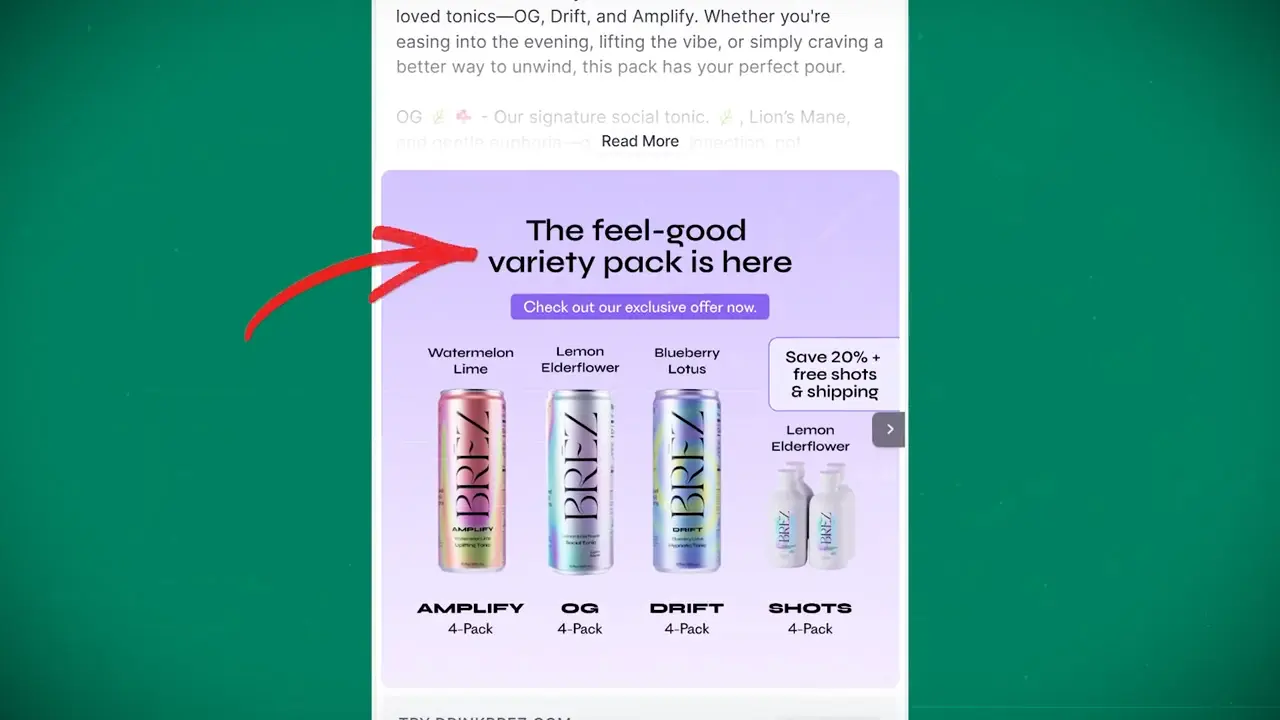
Think about it this way: would you rather spend $5,000 on a cinematic ad that flops, or $200 on static tests that show you exactly which message wins? That’s the power of the smoke test. It’s cheap validation, and it keeps founders from burning through their budget on unproven ideas.
The best way to think about video creative is in Lego blocks. Each ad is built from simple, interchangeable pieces, a strong hook, a clear benefit, and a solution. Mix and match those blocks to test new angles quickly. Once you find the combination that clicks, then scale it. This system makes creative testing repeatable and lowers the risk of betting big on a single ad concept.
Why Creative Is Targeting For Shopify Growth In 2026
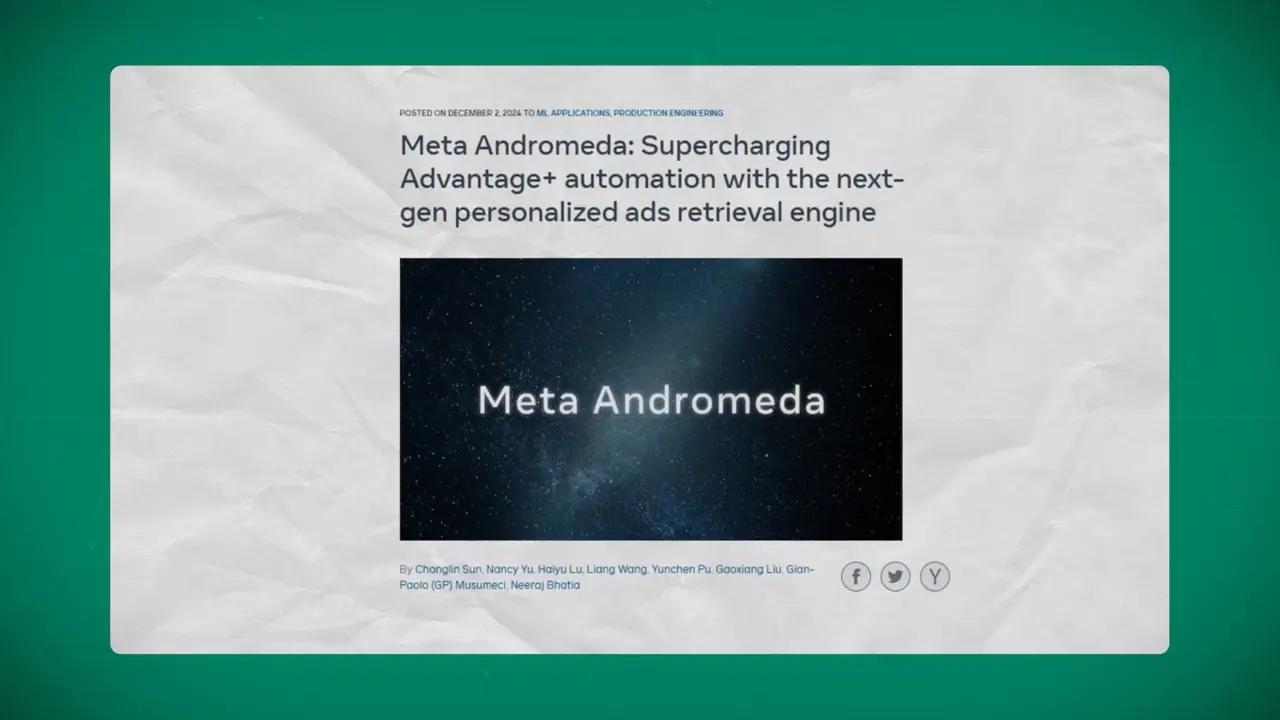
Audience hacks are dead. The days of micro-targeting interests and stacking lookalikes like it’s 2018 are long gone. Meta’s algorithm already knows your customer better than you do. What actually works in 2026 is letting your creative do the targeting. Meta’s own engineers in the Andromeda update confirm that narratives in your ad account matter more than campaign structures or audience hacks.
Brez proves this in practice. They don’t waste time gaming the targeting dropdown. Instead, they feed the algorithm diverse creatives that speak to different buyer stories. If the audience in Florida sees ads featuring people who look like them, results improve.
When the creative mirrors the lifestyle, the pain points, and the aspirations of your real buyers, the algorithm delivers. Broad targeting plus authentic, story-driven creative is the formula that unlocks scale.
Build A Relentless Creative Testing Machine For Shopify Ads
Most brands stall because they treat creative like a one-off project. They launch a handful of ads, hope one goes viral, and then panic when performance tanks after two weeks. The truth is the ad that crushed it yesterday can flop tomorrow. The only way to scale is to run a relentless creative machine.
Brez produces ten new concepts every week, which turns into about twenty ad variations once you include edits. The goal isn’t to strike gold every time. The real objective is to maintain a constant pipeline of new ads so you’re never left without fresh creative to test. Their system keeps 70% of spend behind proven winners and 30% fueling ongoing experiments. If results dip, they shift that ratio to 90/10 or even 100% on winners until the next wave of tests is ready.
The 70/30 Budget Split For Winners Vs. Testing New Creatives
The 70/30 model keeps growth steady without over-relying on any one ad. Winners drive reliable results while tests search for the next breakout.
When a dry spell hits? The fallback is to double down on the ads that are still performing, then feed learnings back into the testing cycle.
This rhythm is what separates brands that plateau from brands that keep compounding growth month after month.
Irresistible Shopify Offers Beat Products Every Time
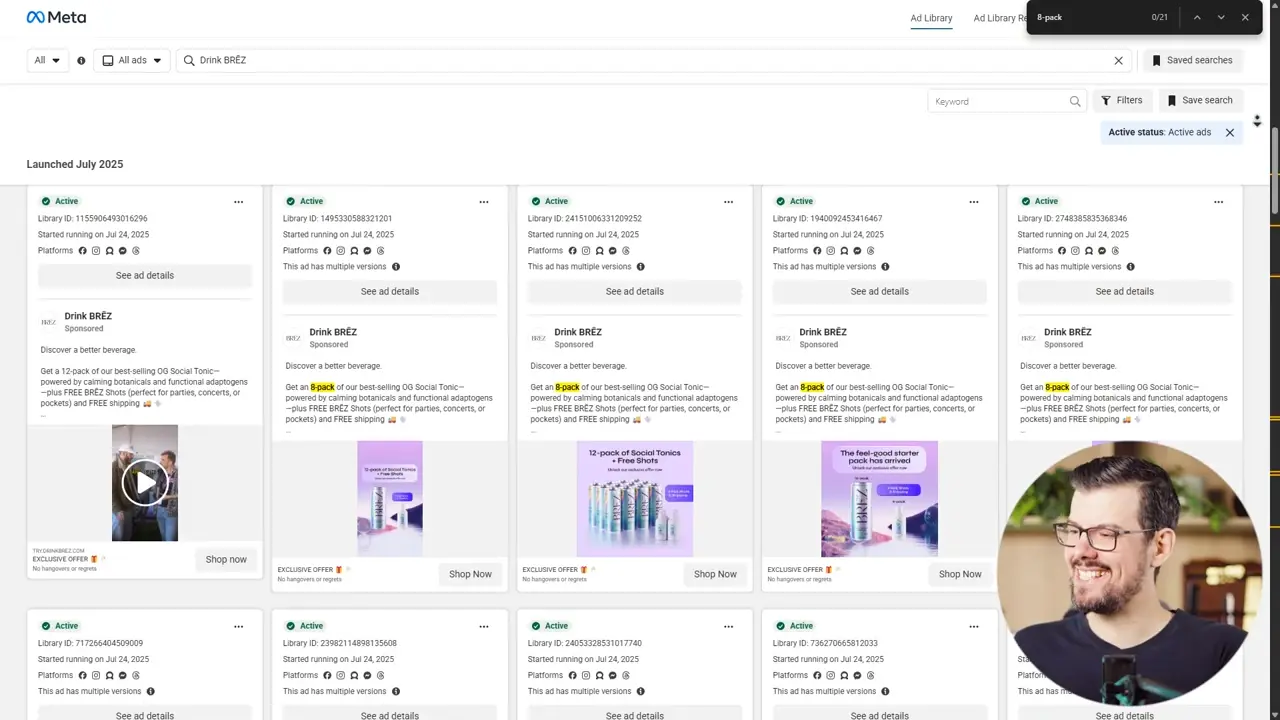
Another mistake founders make is assuming the product alone will carry the ad. “If people just try my product, they’ll love it.” That might be true, but in a crowded feed nobody stops scrolling for “try my product.” What wins attention is an irresistible offer that feels like a no-brainer.
Brez built their growth on a killer subscription offer: an eight-pack with four bonus shots and free shipping. That bundle outperformed standard promotions and was more attractive than most Black Friday deals. It locked in repeat buyers and boosted lifetime value from the very first purchase.
The lesson for Shopify brands? Focus on AOV-driven offers. Bundle products, add upsells, or create gift-with-purchase deals.
For example, a pillow brand could bundle a sleep mask sourced from Amazon or Alibaba as a bonus. Offers like this create urgency, increase basket size, and set the foundation for profitable scale.
High-Converting Shopify Landing Pages Vs. Generic Product Pages
Many Shopify brands unknowingly kill their ad performance by sending paid traffic to generic product or collection pages. You pay $2 for a click, only to drop shoppers onto a page with a single product photo, short description, and a few scattered reviews. That isn’t a funnel — it’s a leaky bucket. Most visitors leave without buying, and your ad dollars disappear.
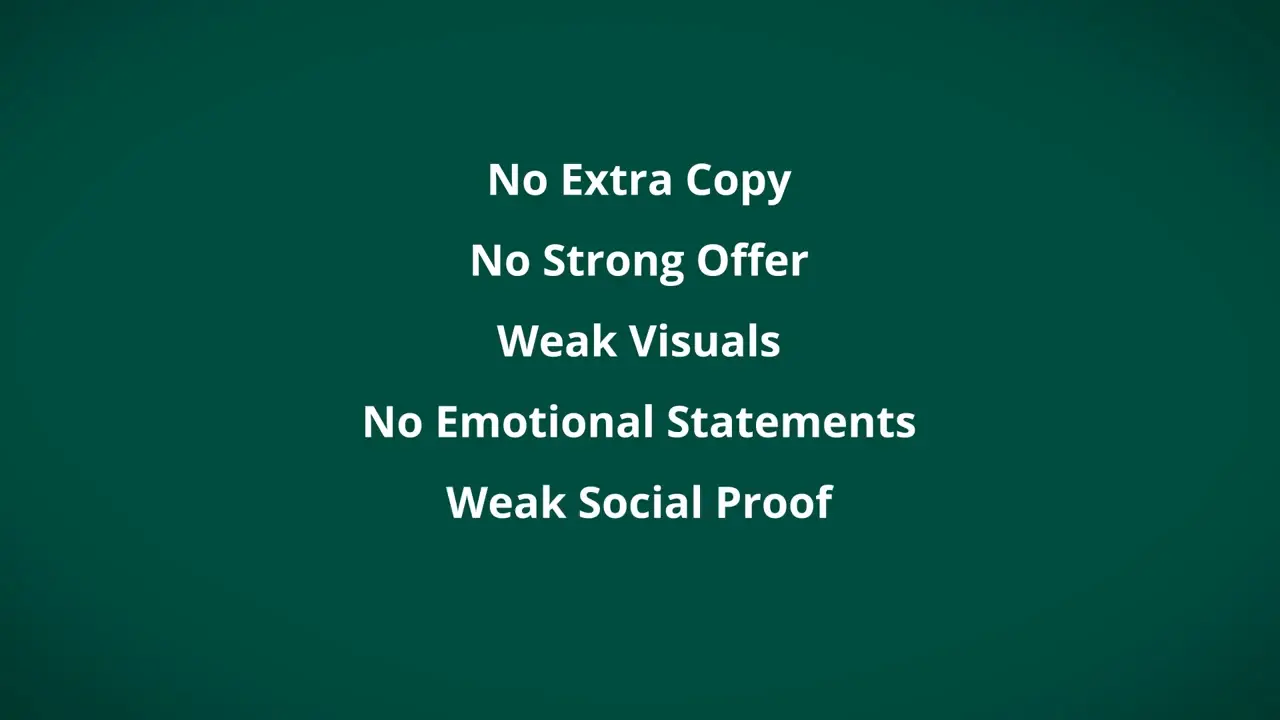
Fast-growing brands like Brez use landing pages built specifically for ads. Each lander is tailored to the exact offer promoted. If the ad highlights a starter bundle, the page puts that bundle front and center.
Strong landing pages use bold offers, icons that highlight key benefits, lifestyle visuals, mechanisms that explain why the product works, and detailed FAQs to remove objections.
Comparison tables against the main competitor are another proven conversion booster. These elements turn casual clicks into committed customers.

Marry Shopify Marketing With Finance Metrics
Scaling fast isn’t just about great creative and offers. Without financial discipline, even a viral product can burn through cash.
At Brez, the marketing and finance teams work as one. Ad buyers report hourly on spend, returns, and capital flow, so the business always knows where money is going.
This level of financial visibility ensures decisions are made on profit, not vanity metrics. Discover how you can do this too by following our case study of scaling a store’s Facebook ads from $300 to $300,000 in spend Month.
Contribution margin is the profit per order per day. It matters far more than ROAS. Too many founders and agencies chase attractive ROAS numbers without realizing the business is losing money.
Marketing can’t operate in isolation; it has to be tied directly to the P&L. This marriage of marketing and finance creates the cash flow needed to scale aggressively without risking the brand’s survival.
Diversify Beyond Meta Ads To Scale Your Shopify Store
Relying only on Meta is dangerous. One ban or one algorithm update can cut revenue in half overnight. That’s exactly what happened to brands who bet everything on Facebook ads.
Brez avoided this fragility by diversifying early. Alongside Meta, they built profitable channels in Google Search, YouTube, TikTok, affiliate partnerships, and influencer campaigns.
The magic is in how these channels feed each other. Influencer buzz makes Meta ads convert better. Social chatter boosts organic search demand. Google Ads stabilize cash flow when Meta CPMs spike.
By treating each channel as a primary driver rather than a backup, Brez built a growth engine no single platform could shut down. The lesson for Shopify brands: master one channel first, then expand. Diversification is the safety net that makes scale feel almost “illegal.”

Retention Marketing: The Cheat Code To Scaling Shopify Profit
Most founders celebrate acquiring a new customer as the finish line. In reality, that’s just the starting point. True scale comes from retention.
Brez cut churn from 24% to 17% with a few simple but powerful tactics, unlocking millions in additional profit. Every extra month a customer stays is pure margin, which makes retention the ultimate multiplier for growth.
Fixing The Three Main Churn Danger Zones In Shopify Subscriptions
Churn doesn’t happen randomly. It follows predictable patterns, and if you know where those drop-off points are, you can engineer strategies to stop customers from leaving.
Brez mapped their data and found three critical danger zones where subscribers were most likely to quit. By addressing each zone directly, they transformed retention into one of their biggest profit drivers.
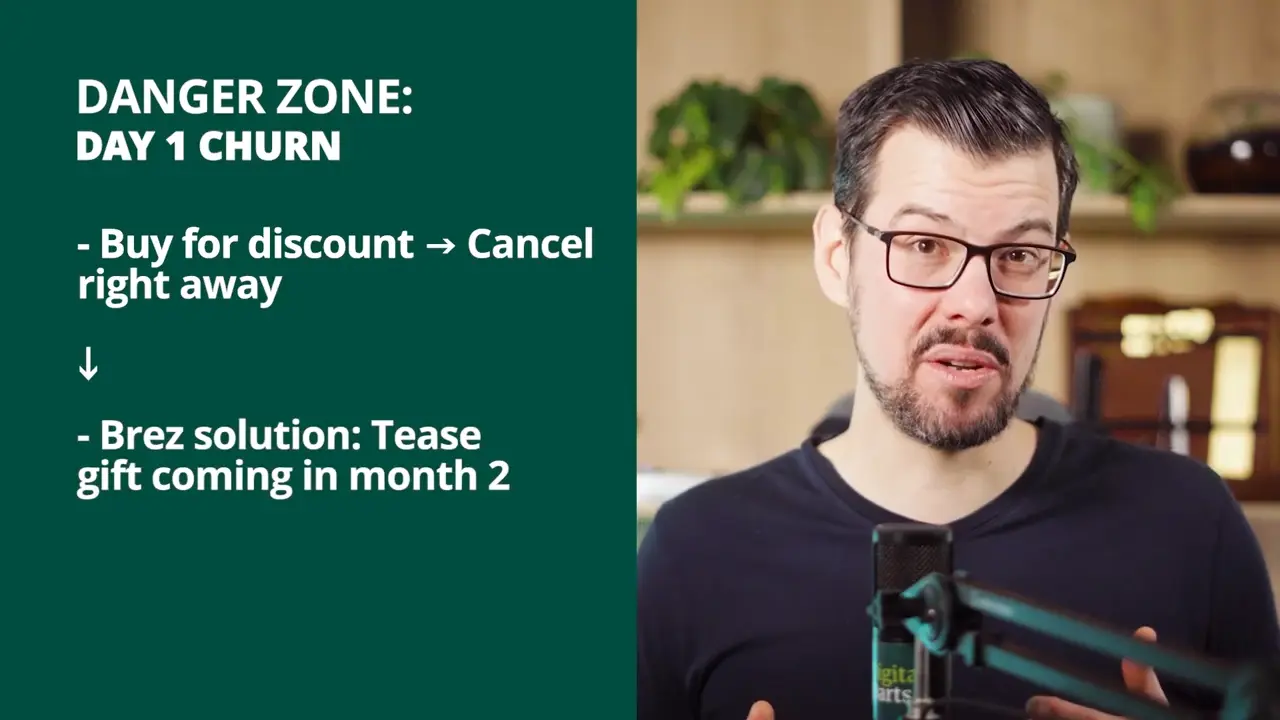
Day 1 Churn
Day 1 churn comes from customers who buy only for a discount. Brez counters this by promising a real gift in month two, giving buyers a reason to stick around.
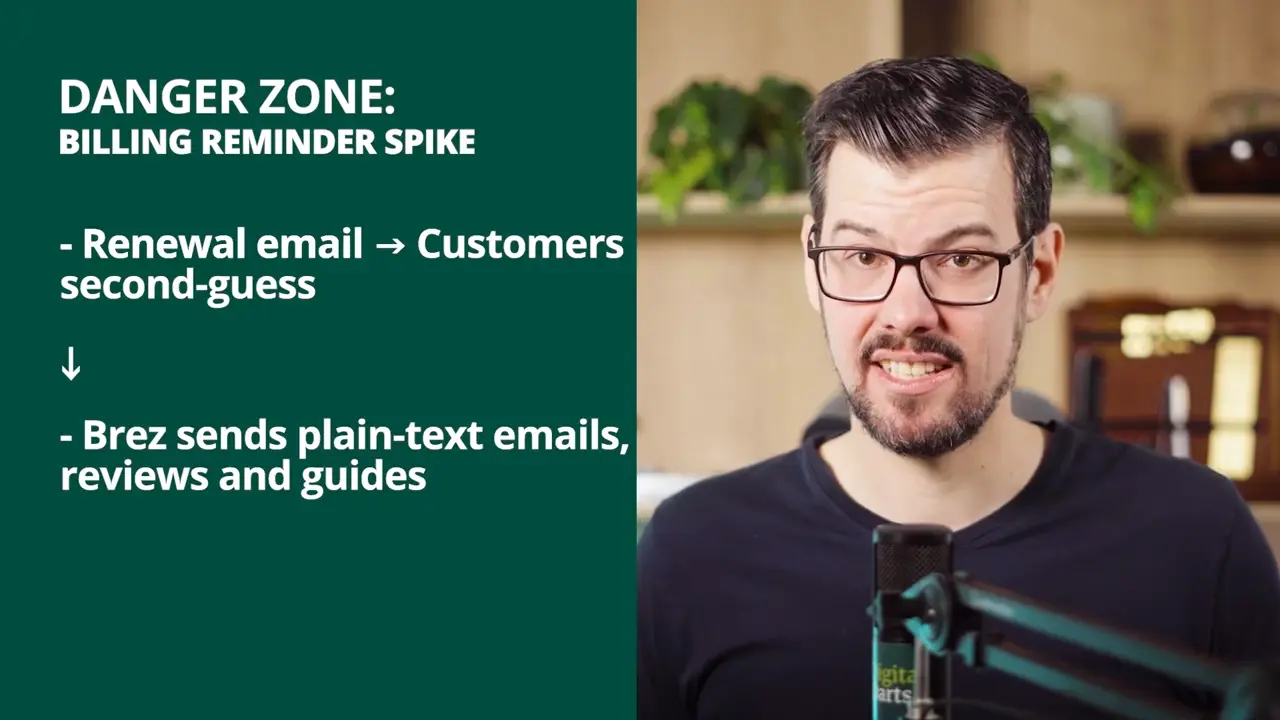
The First Billing Reminder Drop Off
The second spike happens at the first billing reminder, when customers question whether to renew. Here, plain-text founder emails, customer reviews, and “what to expect” guides keep excitement high—one simple email even generated $40,000.
Second Renewal Drop Off
The third drop-off arrives after the second renewal. Brez tackled this with giveaways, offering five free cases to subscribers who stayed past day 27.
These small moves reduced churn dramatically and proved that smart retention design scales profit far beyond acquisition.

Scaling A Shopify Store The Smart Way
Want to see why 90% of Shopify stores lose profit when they try to scale Facebook ads? Read our in-depth guide on the 10-minute method to grow your Shopify store and avoid the mistakes that stop most brands before they ever reach scale.
What You Should Do Next...
Get More Free Tactics
Join over 5,000 subscribers. I send what's working in Google Ads, SEO and Meta Ads, taken from the Shopify accounts we run.
Work With Us
We partner with a small number of Shopify stores each quarter to scale paid ads, SEO, and conversion rate. If you're serious about growth, apply below. If it's a fit, we'll schedule a call to map out your plan.
APPLY TO WORK WITH US