If your Shopify store is getting crushed by high Google Ads CPCs, this new Google Ads keyword targeting strategy does the opposite. I’ve used this to lower cost-per-click by 500% and scale profitably.
In this Google Ads tutorial, I’ll show you the exact framework, the proof behind it, and how you can implement it step-by-step in your own account.
Get the Free Google Ads Profit Checklist
Download the free resource that gives you 54 of the easiest wins to make more profit in Google Ads for your store.
Now before you think you know where this is going, this isn’t about “just find low competition keywords.” That advice belongs in a 2016 blog post with broken screenshots. And it’s not a Quality Score hack either. When your clicks cost more than your profit margin, scaling is hard and sometimes mathematically impossible.
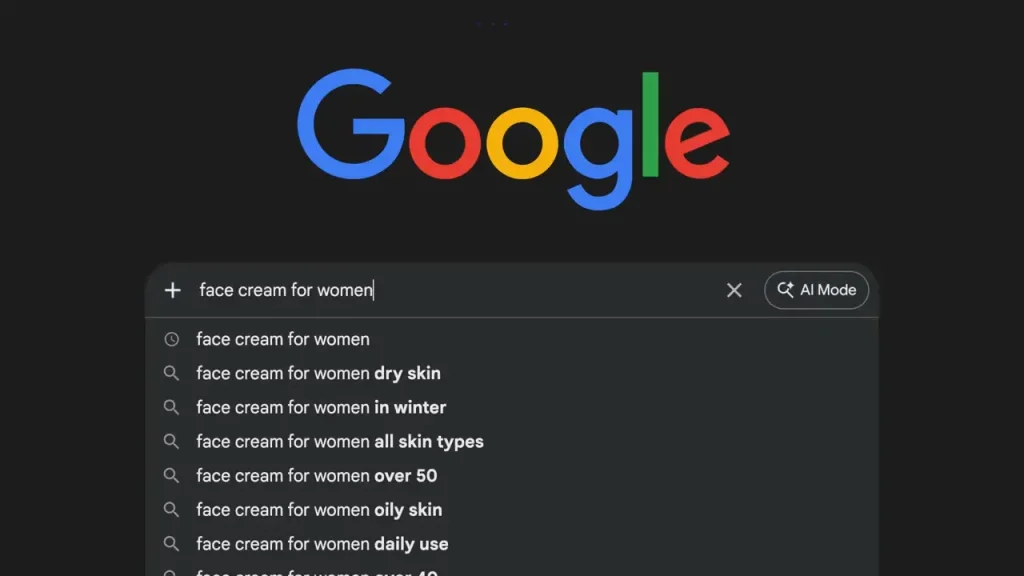
Most Shopify brands are fighting over the same keywords like “face cream for women” and “organic protein powder.” And this is why you can end up paying $4, $6, even $30 per click. At that point, you’ve got to be donating a kidney for every click you get.
The Core Mistake: Bidding in the Most Crowded Auction on the Internet
Here’s the mistake. You’re bidding in the most crowded auction on the internet. Every brand wants the “buy now” traffic, so everyone piles into the same commercial keywords and Google rewards whoever is willing to pay the most.
But here’s the shift that got this brand’s clicks for 500% less than the average cost per click on the account. Instead of targeting commercial keywords, I started targeting problem-based informational searches that the product solves.
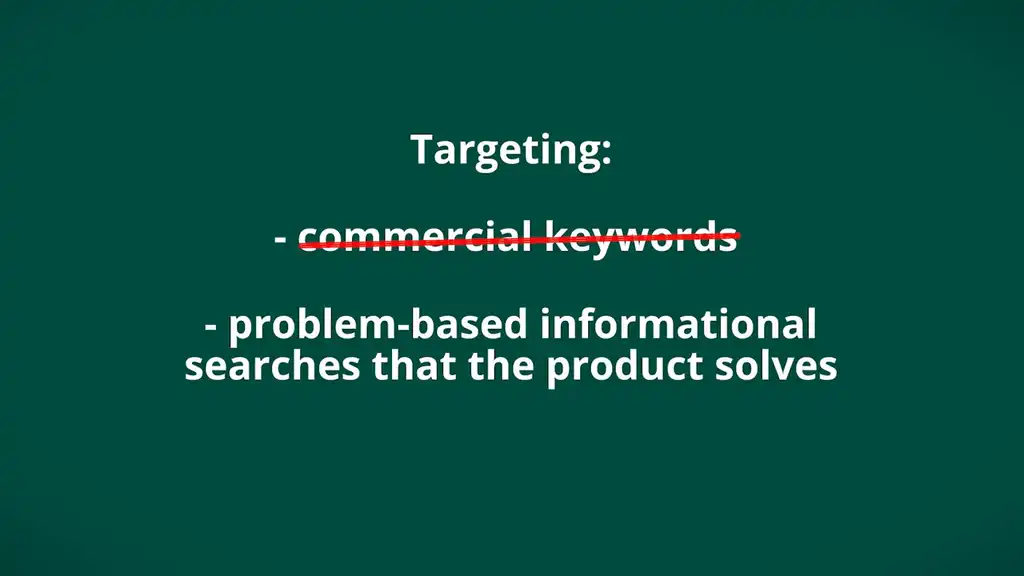
Let me show you what I mean. You’ve got to do this right, otherwise you’ll just waste money on clicks and get no sales.
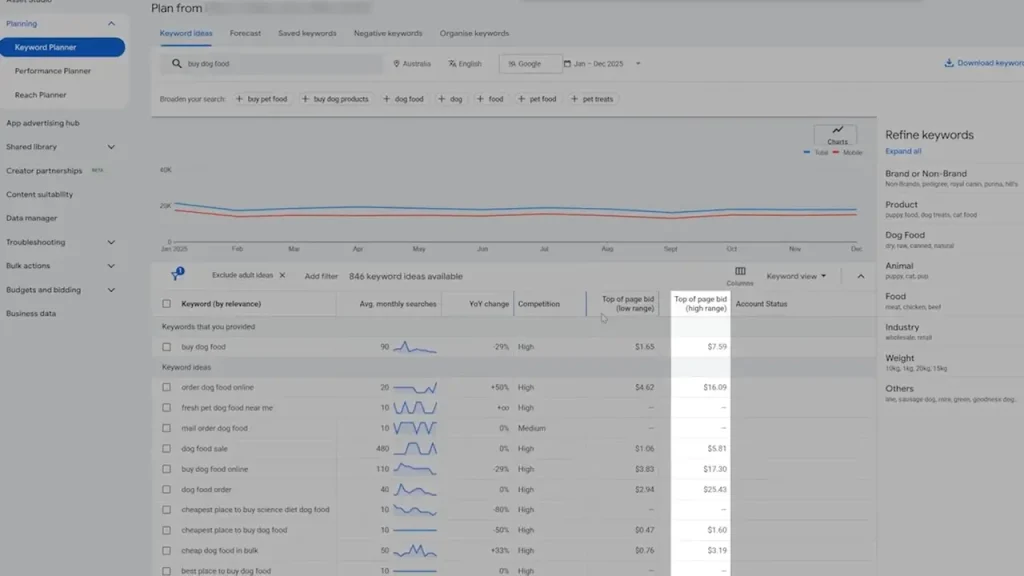
If you type in something like “buy dog food,” you’re walking into a knife fight. Everyone is armed. Everyone is angry. Top-of-page bids are $8.
Now compare that to “what should I feed my dog.” These keywords are all 2 and 3 cents. There are some great keywords like “what food should dogs eat.” Google sees a problem. Advertisers see cent clicks nobody else wants.
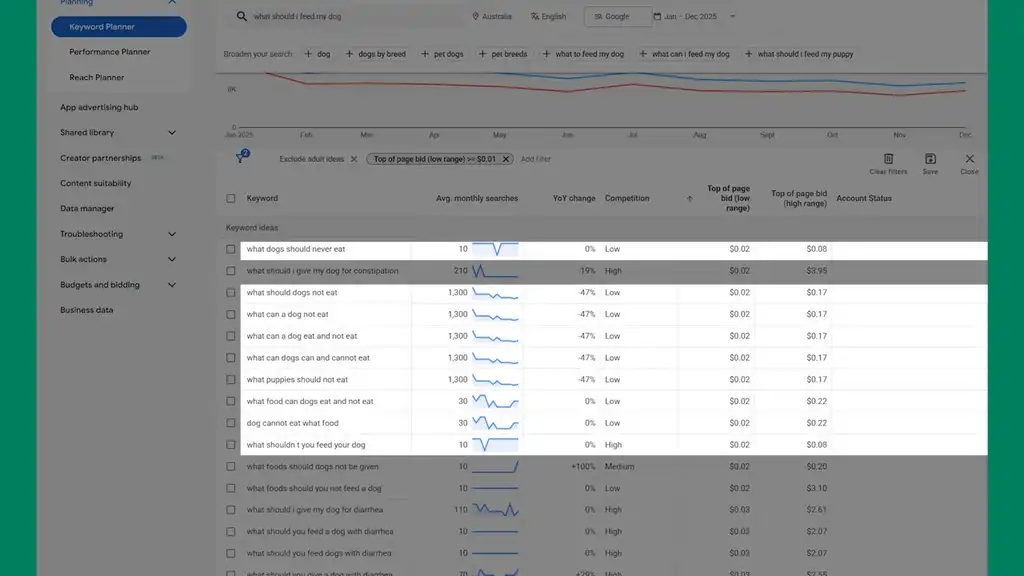
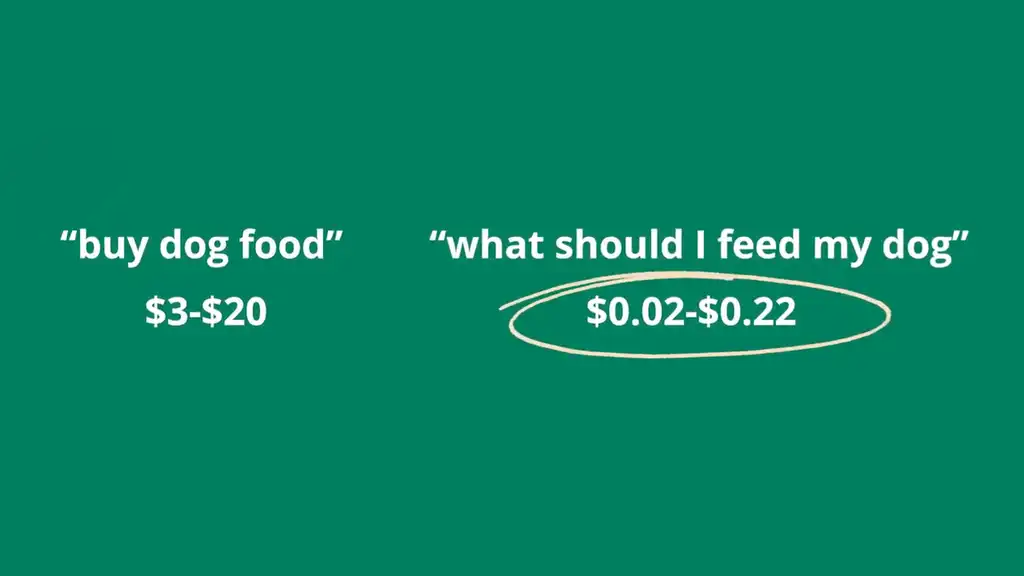
The core need is similar to what to feed your dog. There’s slightly different intent, but it’s a completely different auction that causes costs to be 10x cheaper.
Both people care about feeding their dog. But one costs 100 times more.
That’s the opportunity, and almost no brands take it.
Why? Because it takes more effort to make this cheap keyword profitable. You can’t just send this traffic to a product page and hope it converts. You need a matching landing page and a campaign structure to make this work which I’ll show you below.
3 Reasons Why This Google Ads Keyword Strategy Works
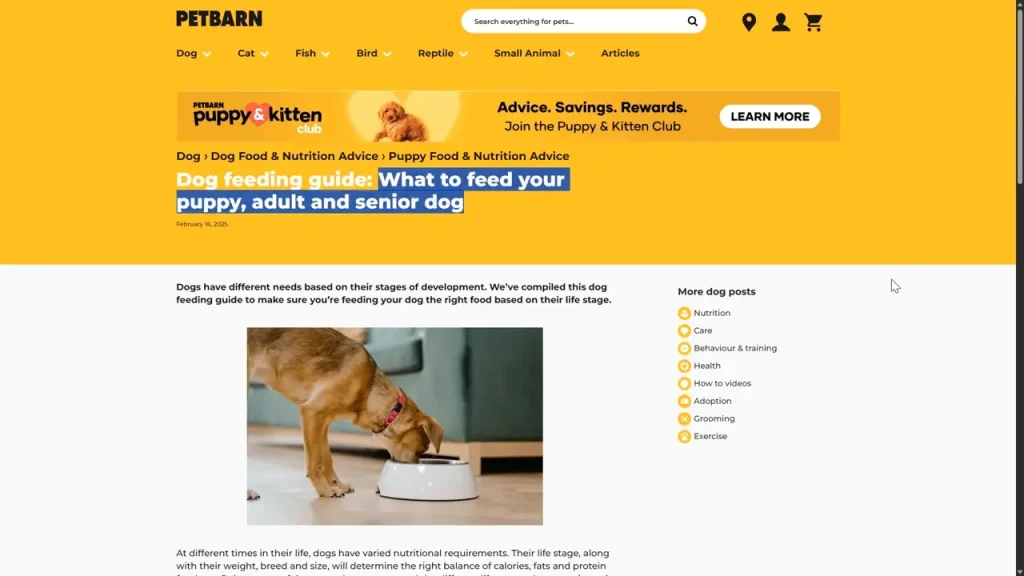
Here’s what you’d do instead. You’d build a simple list-style landing page titled “What should I feed my dog” or “What to feed your dog.” Inside that list, you educate. You give real value. And one of the solutions is your dog food. Not pushy. Not aggressive. Just positioned naturally as the best fix.
This works for three reasons:
- You’re entering cheaper auctions, so less competition automatically drops CPC.
- Informational searches often have higher total search volume. They’re more top of the funnel, so naturally the audience is bigger.
- It’s incremental revenue. This is cold traffic your competitors are completely ignoring. You’re not attracting existing buyers but rather, creating demand earlier in the journey.
Now, this isn’t a magic strategy for every Shopify brand. It only works if your product solves an actual problem people search for.
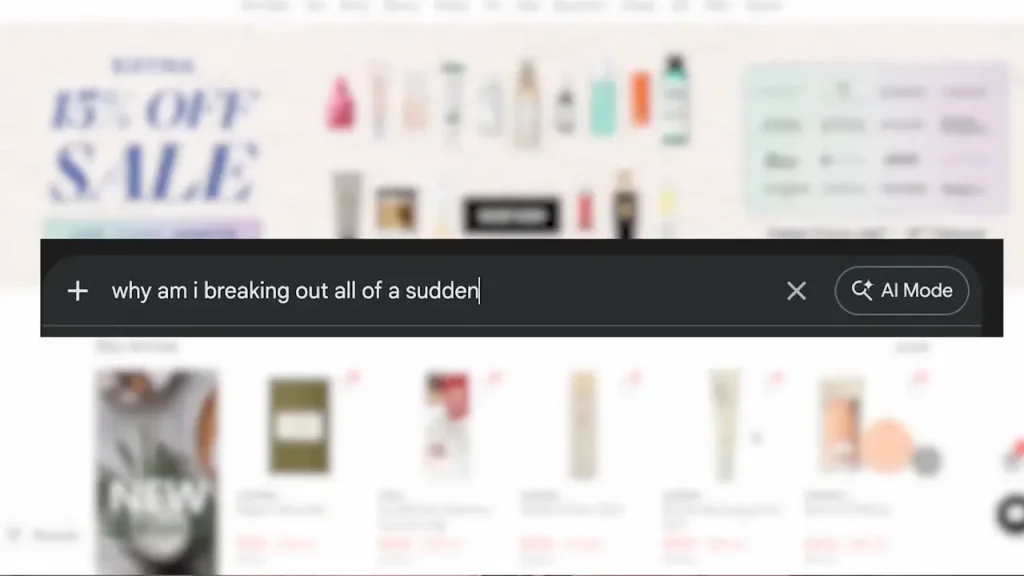
- If you sell skincare products, people search “why am I breaking out all of a sudden?” or “how to get rid of acne fast.”
- If you sell supplements, they search “why am I always tired?” or “how to boost metabolism naturally.”
- If you sell hair care products, they search “why is my hair thinning?” or “how to fix damaged hair at home.”
Those are real problems with real search volume, and most Shopify brands selling those products are completely ignoring them in Google Ads. But if you sell something without a clear, urgent problem (like abstract wall art), this strategy doesn’t really work. No one panic-searches wall art at 2am.
How to Find the Right Problem-Based Google Ads Search Terms
So the real question becomes: how do you actually find the right problem-based searches to target, and know which ones are worth building around? This is where most people get it wrong.
They find one or two keywords, build a single advertorial, test it briefly, and when it doesn’t scale instantly, they assume the strategy does not work. That’s a tiny sample size, not a strategy. This approach only works when you go wide first. You need to build the master list before you build anything else. Otherwise you are trying to win the lottery by buying one ticket and calling it a strategy.
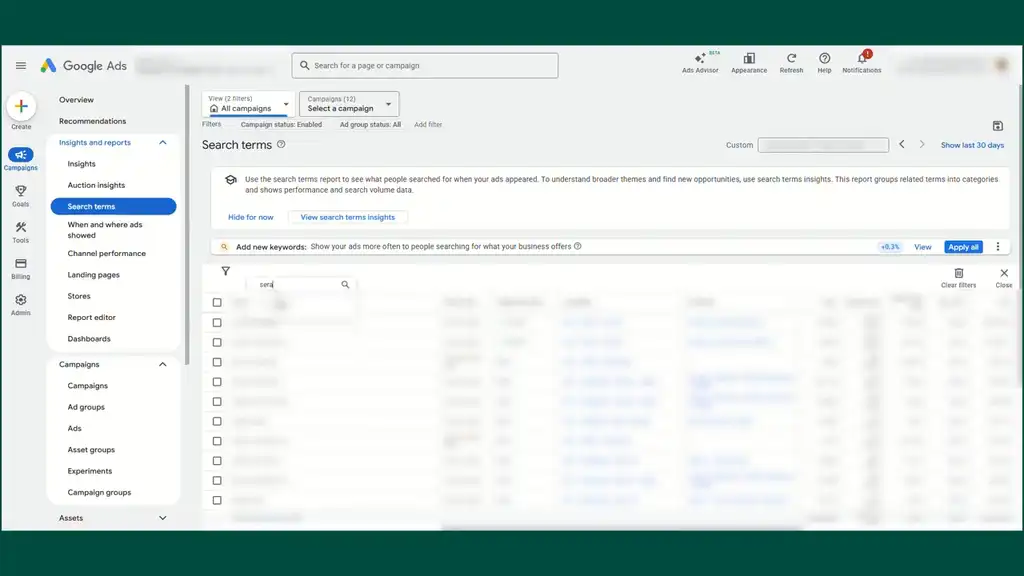
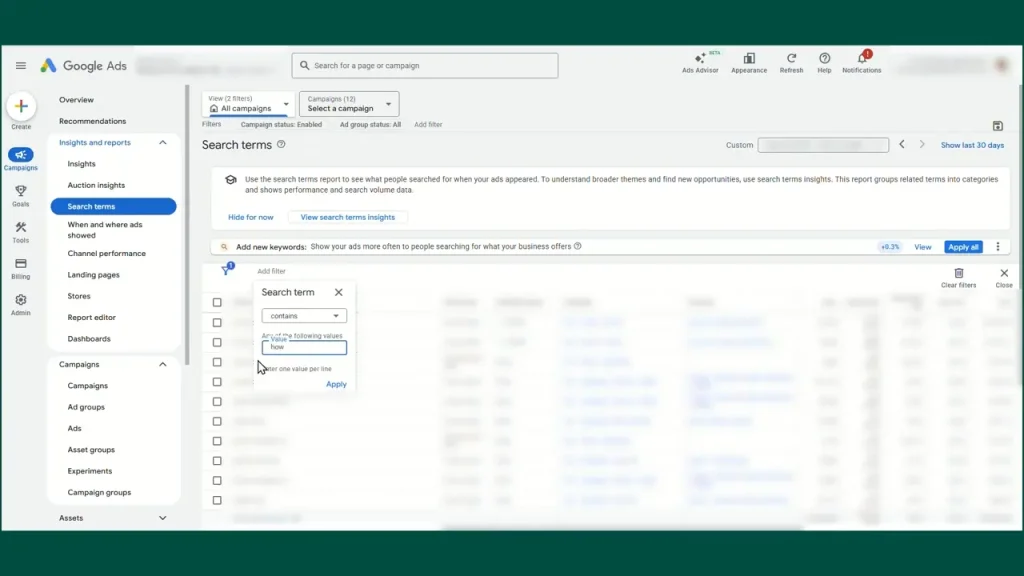
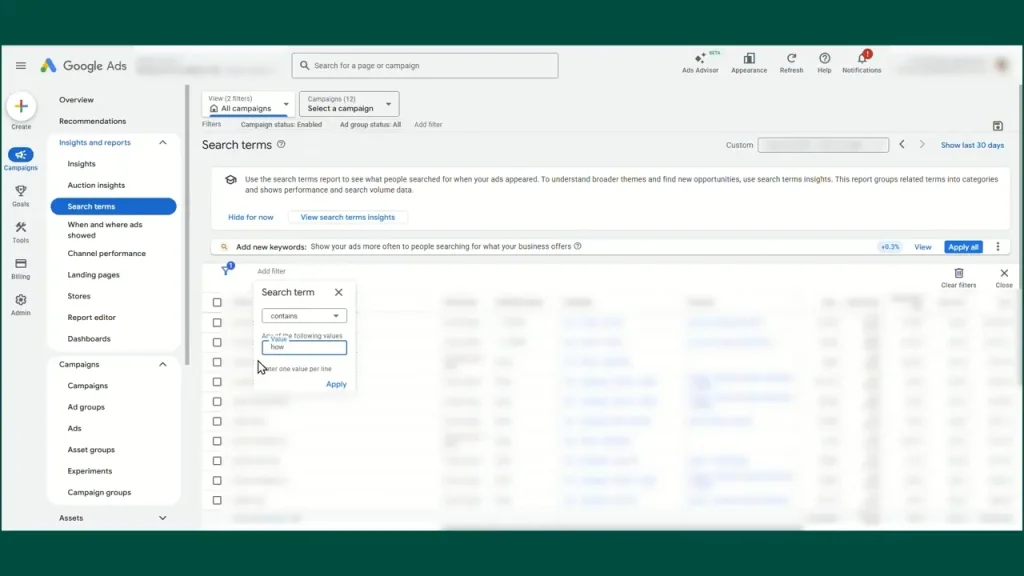
The best place to start is not some expensive SEO tool. It is your own Google Ads account. Go into your Search Terms report and look at what people are already typing before they click. Then filter for informational intent — keywords that contain “how,” “why,” or “when.” Those are problem-first searches. That is exactly what we want. Add them to a spreadsheet.
From there, you expand. Take those core phrases into Keyword Planner and look for related variations.
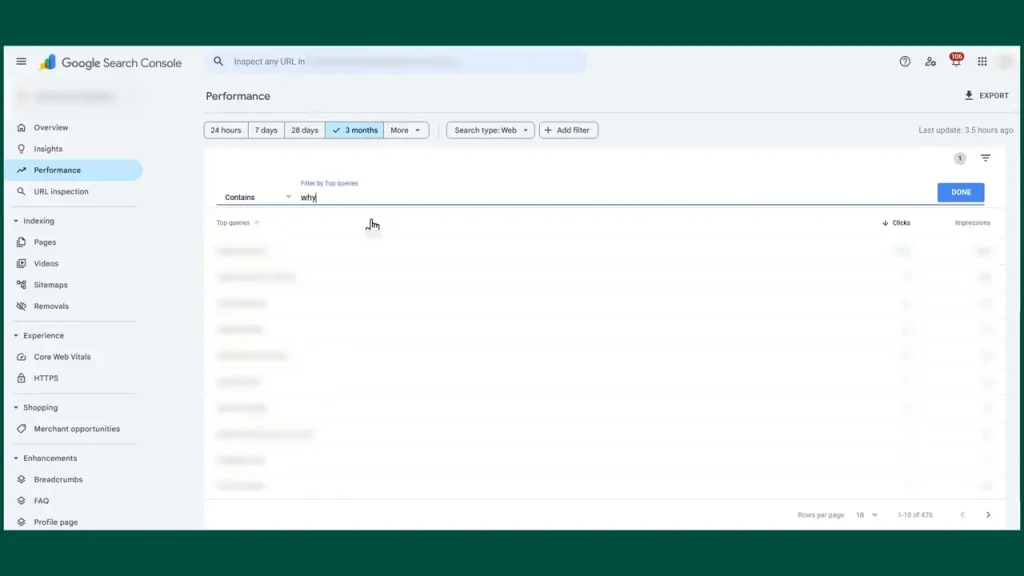
Since we also do SEO for Shopify stores at my agency, I’ve discovered that Google Search Console is another fantastic source to see what problem-based terms you are already getting impressions for. Filter by impressions and browse the whole list to find more ideas to add to your sheet.
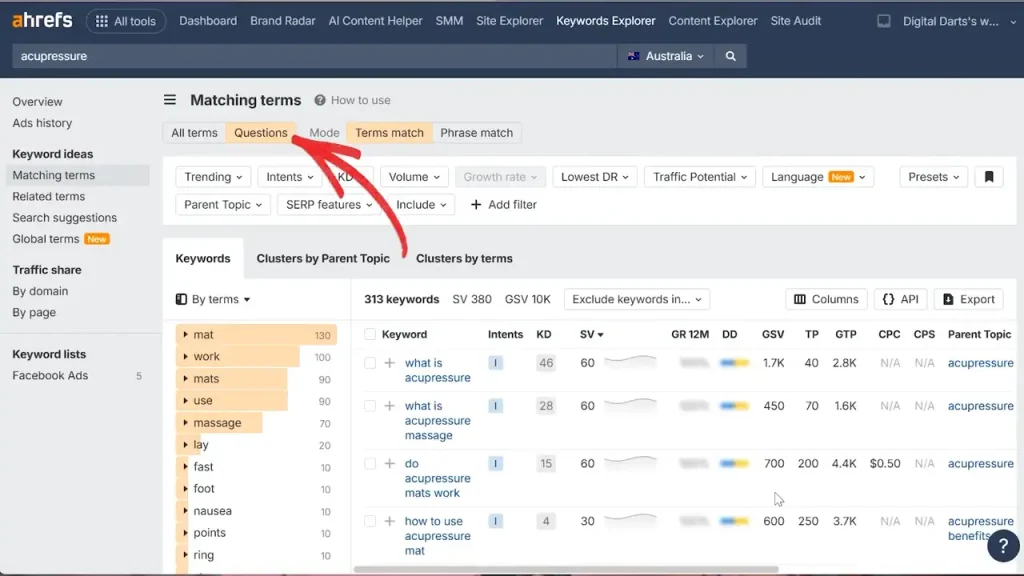
If you use Ahrefs, you can also browse the Questions report to uncover even more angles.
The goal is not to find one winner. It is to compile at least 10 relevant problem-based searches. I suggest doing 100. Tthe biggest mistake with this strategy is running only a few advertorials. Scale comes from coverage.
Turning Problem-Aware Traffic Into Buyer-Ready Customers
But here’s the catch; cheap clicks can destroy your account just as fast as expensive ones if they don’t convert. If you send informational traffic straight to a product page, most of them will bounce. When they bounce, Google does what Google always does; it raises your CPCs and limits your scale. Cheap traffic becomes expensive again, and the whole advantage disappears.
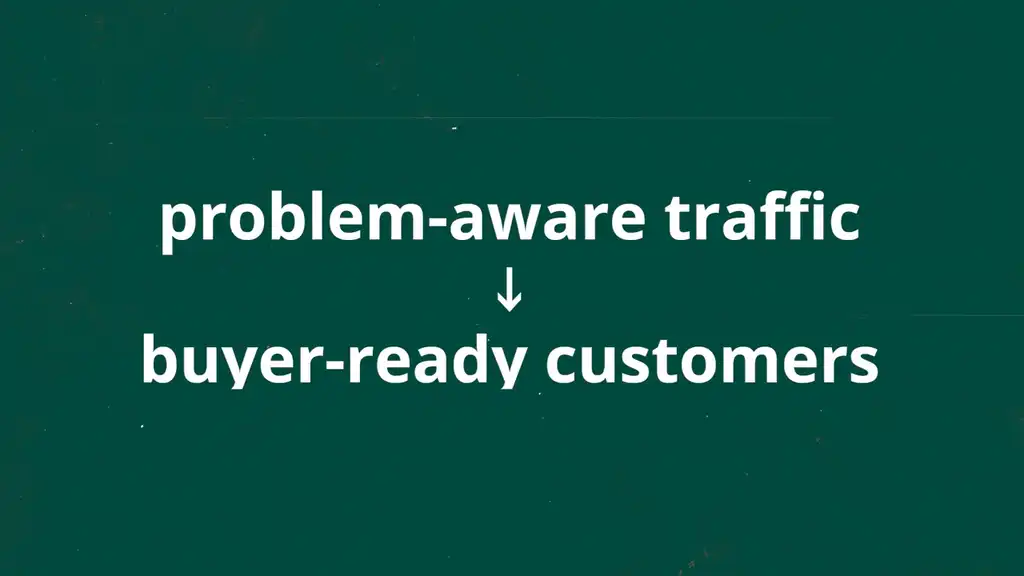
That is why the real leverage is not just finding lower-cost searches. It is turning problem-aware traffic into buyer-ready customers. And that comes down to one thing: alignment. Your page must match the intent of the search perfectly.
The first rule of building these advertorials is simple. Do not guess. You already have proof inside your own data. Go into Google Analytics and find blog posts or pages that are driving strong engagement or revenue.
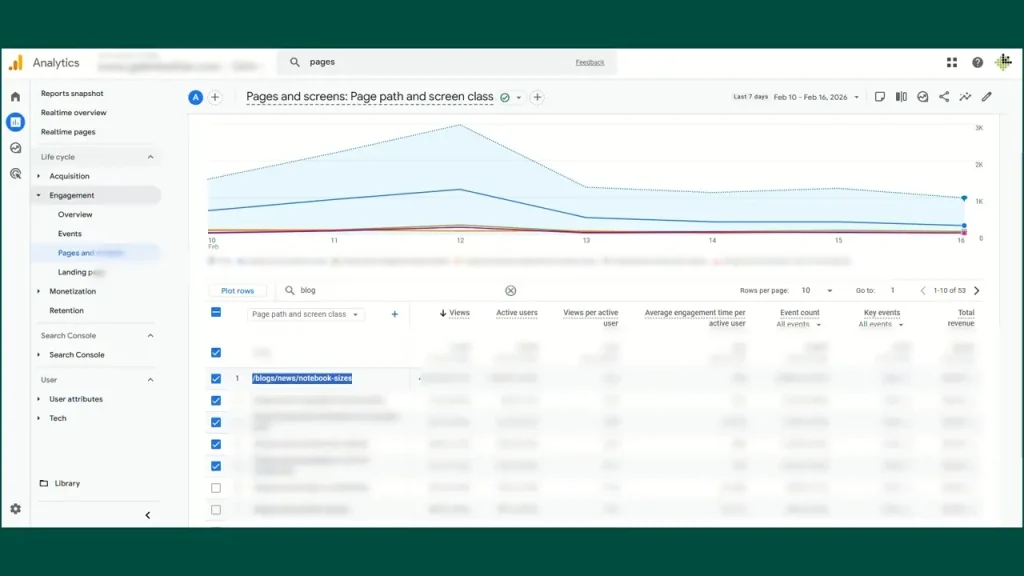
Then open Google Search Console and look at the exact queries bringing people to those pages.
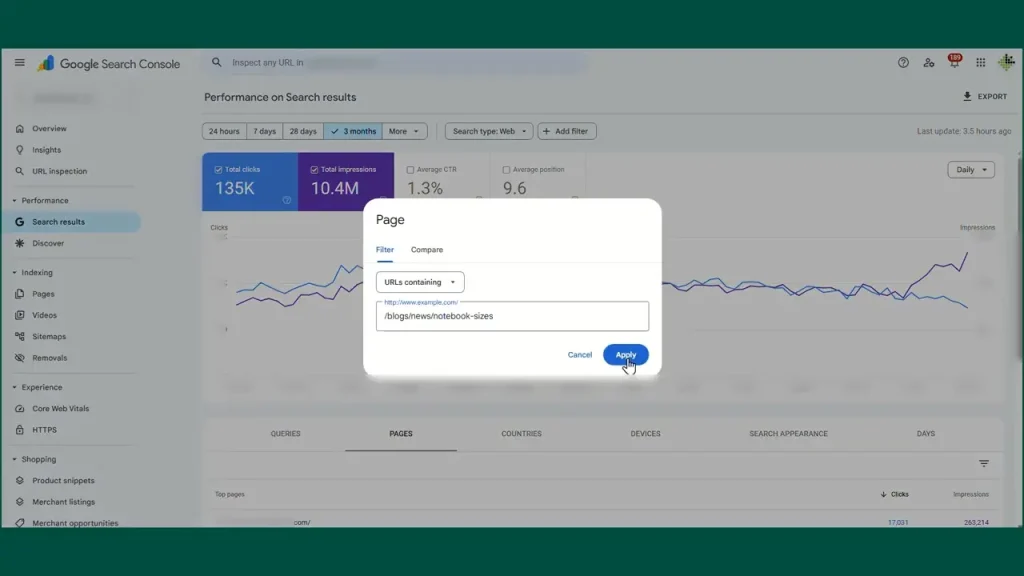
Those queries are validated demand, and those pages are validated assets. You are not creating something new. You are scaling what already works. That is why combining SEO insight with Google Ads is so powerful.
How to Structure Advertorials That Convert
Now here is what separates advertorials that compound performance from ones that burn budget. The structure must mirror the searcher’s intent from the first line.
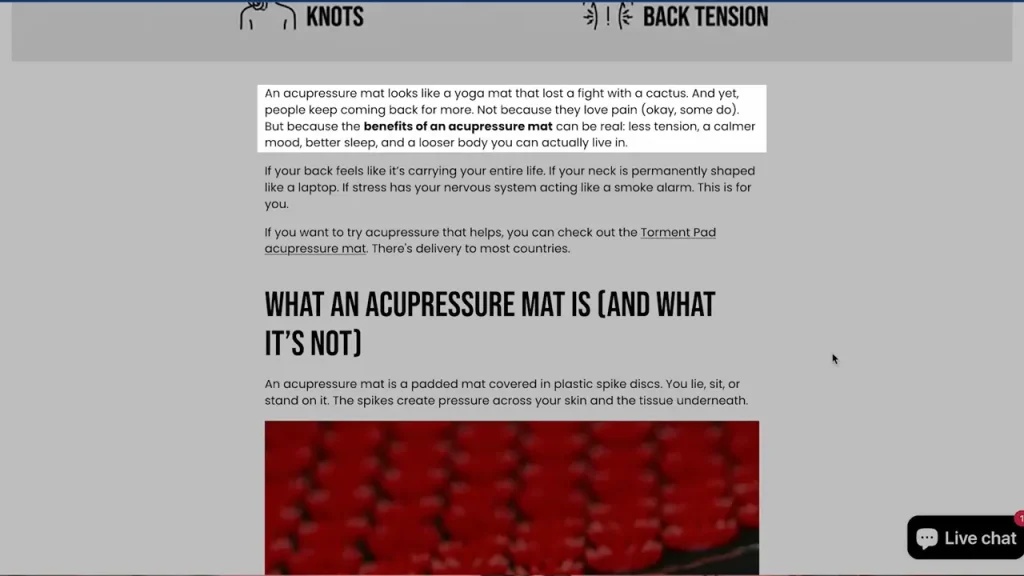
If someone searched “benefits of acupressure mat”, your opening paragraph should describe that frustration clearly and specifically. When people feel understood, they stay longer.

I did just that in this advertorial for a brand to answer the search “benefits of acupressure.” You’ll see the headline speaks directly to the benefits of an acupressure mat — there’s not a headline like “Why Acupressure is Good for Your Body.” It’s very direct. The opening image summarizes key benefits. The first sentence kicks off into the conversation already going on inside the person’s mind without rambling.
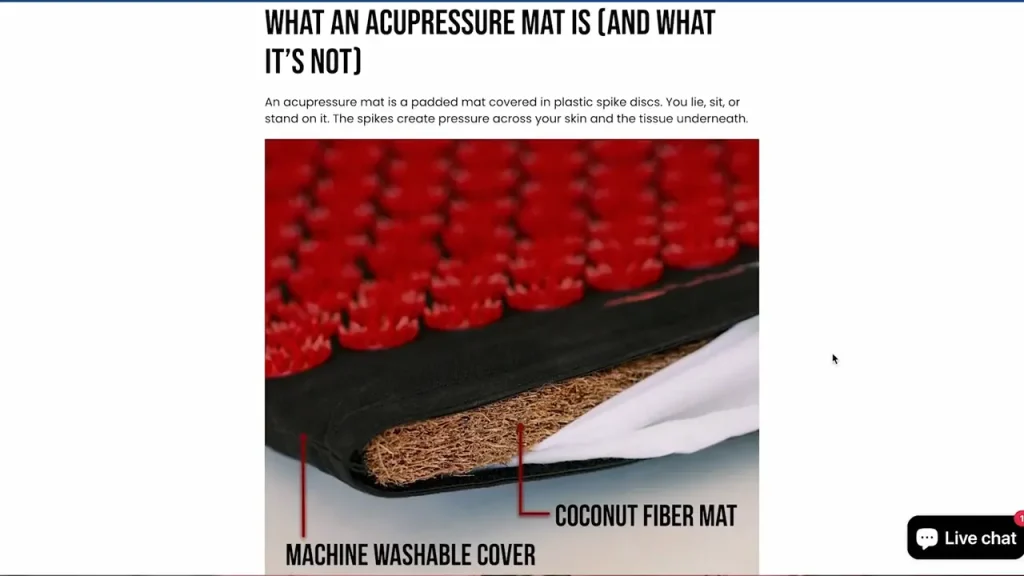
This is where most people go wrong. You don’t sell. You educate them. Explain what is happening and why the problem exists in a clear, logical way. Use visuals that reinforce the issue, whether that is a comparison, a product in use, a diagram, or a real-world example. Here you see helpful graphics I made to support the content so it shows, instead of just telling. This is how you make good SEO content.
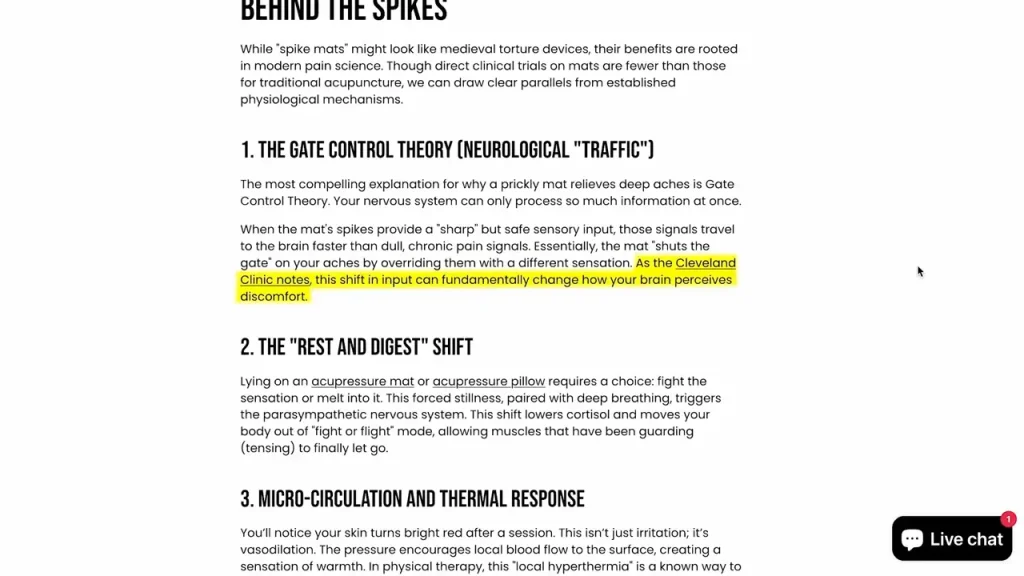
Next, build authority with research, expert insights, or credible explanations. I link to the Cleveland Clinic, Sleep Foundation, and other authorities.
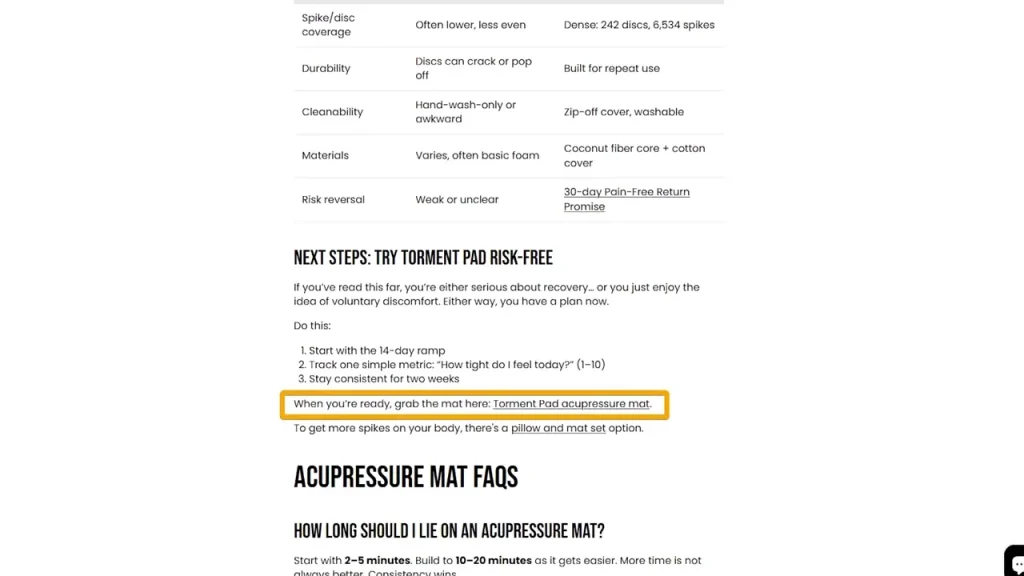
I’ve then got actionable advice you can try immediately so the page delivers real value. Once you’ve built trust, you can lightly pitch the product. At that point, it feels like a logical solution rather than a sales pitch.
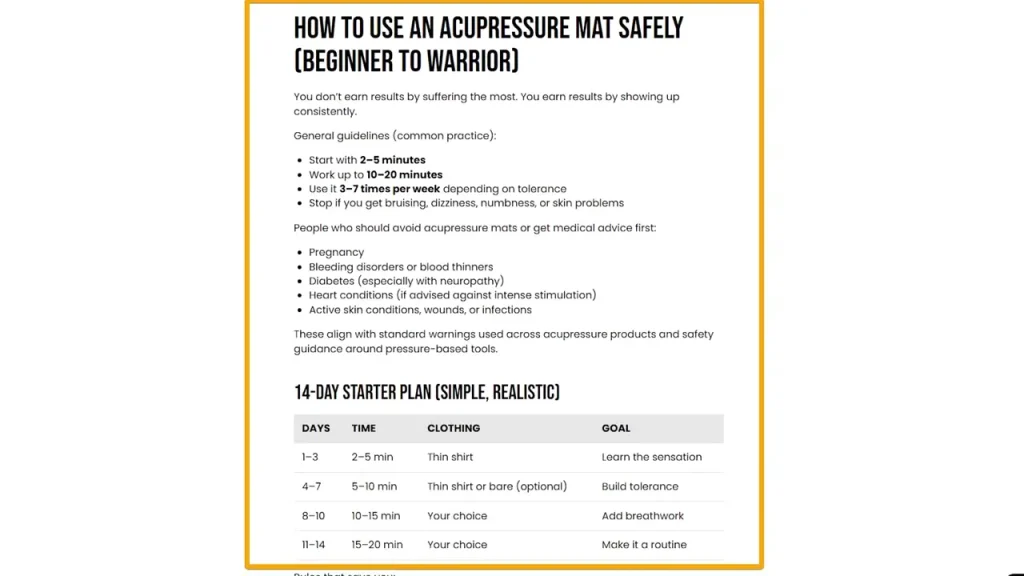
Instead of saying “Buy now,” use a softer transition such as “If you want a simpler long-term solution, you can see how this works here.”
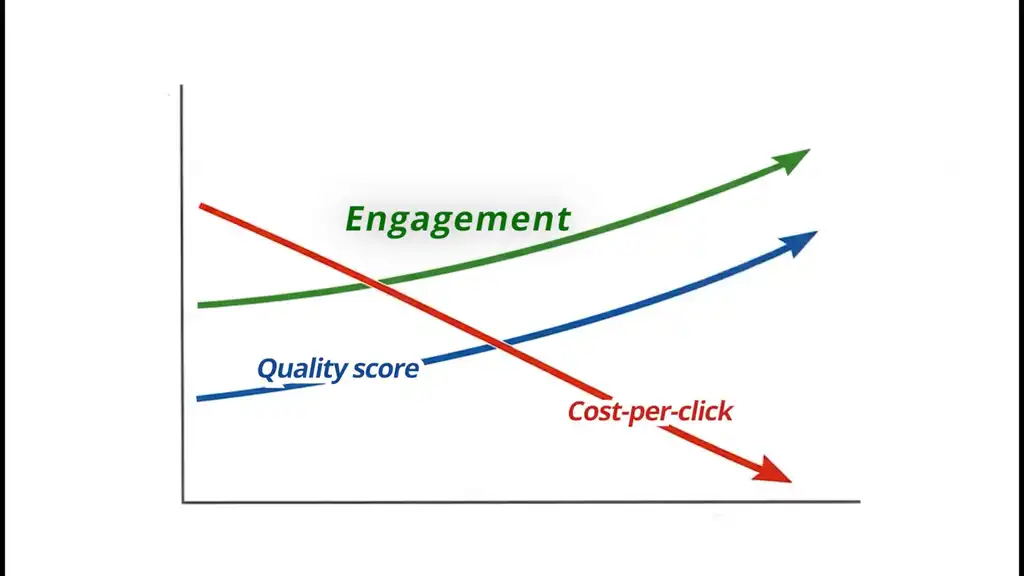
Higher engagement improves Quality Score, and stronger Quality Scores lower your cost per clicks even further. This is where the compounding effect begins.
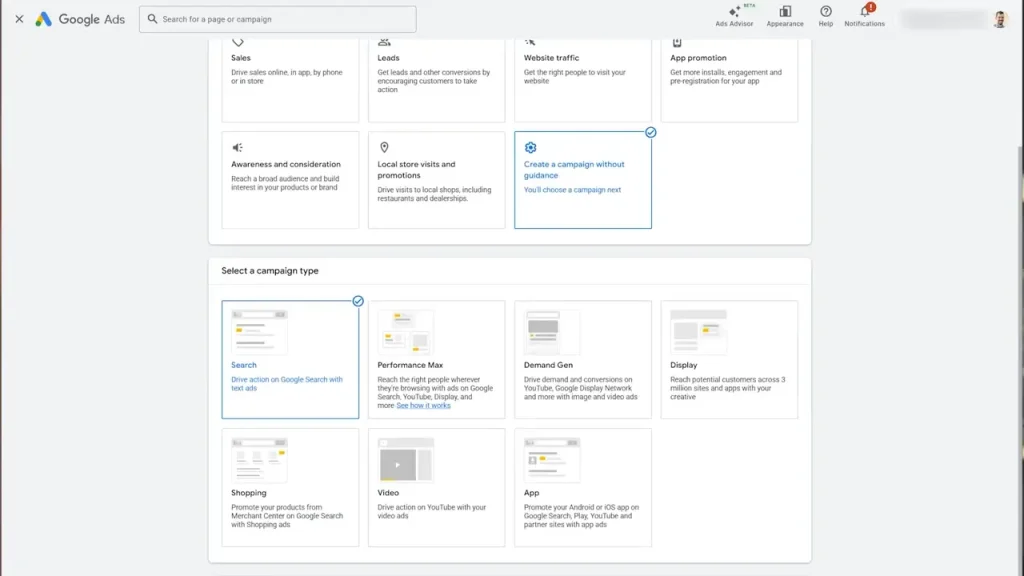
Google Ads Tutorial: Setting Up the Campaign
Once your advertorials are structured correctly, it is time to put paid traffic behind them. And this is where people overcomplicate everything. You don’t need a complex funnel. You need control and clean data.
Start with a simple Search campaign. Nothing fancy.
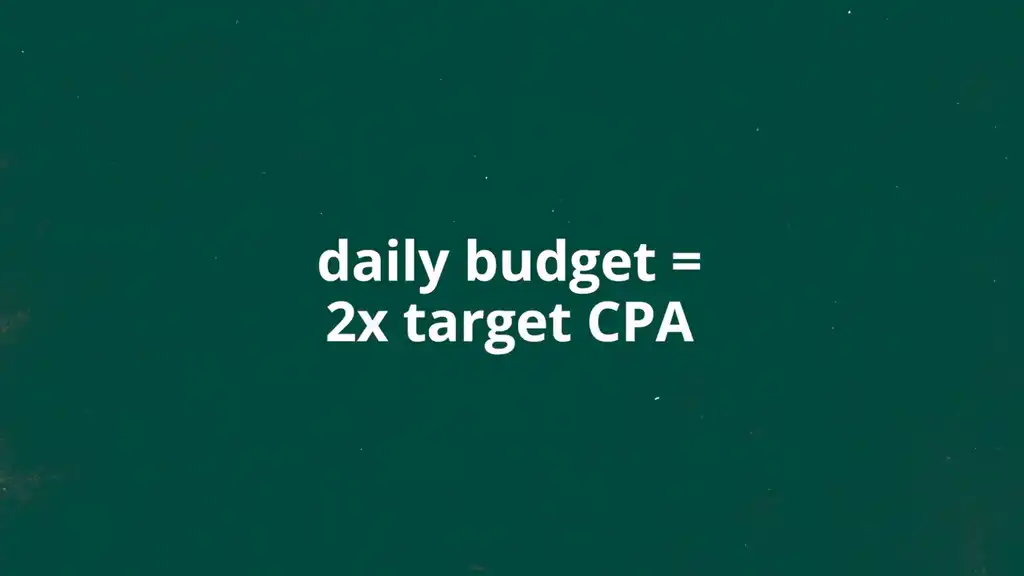
Set your daily budget at roughly two times your target CPA. If your target CPA is $30, your daily budget should be around $60. That gives the campaign enough room to breathe and gather meaningful data.
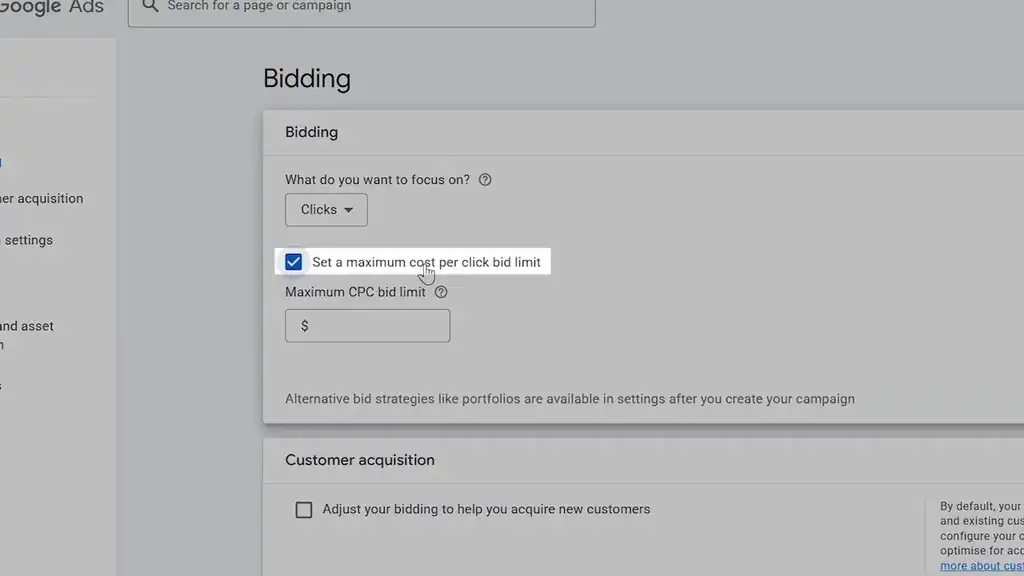
Use the Manual CPC bid strategy to start.
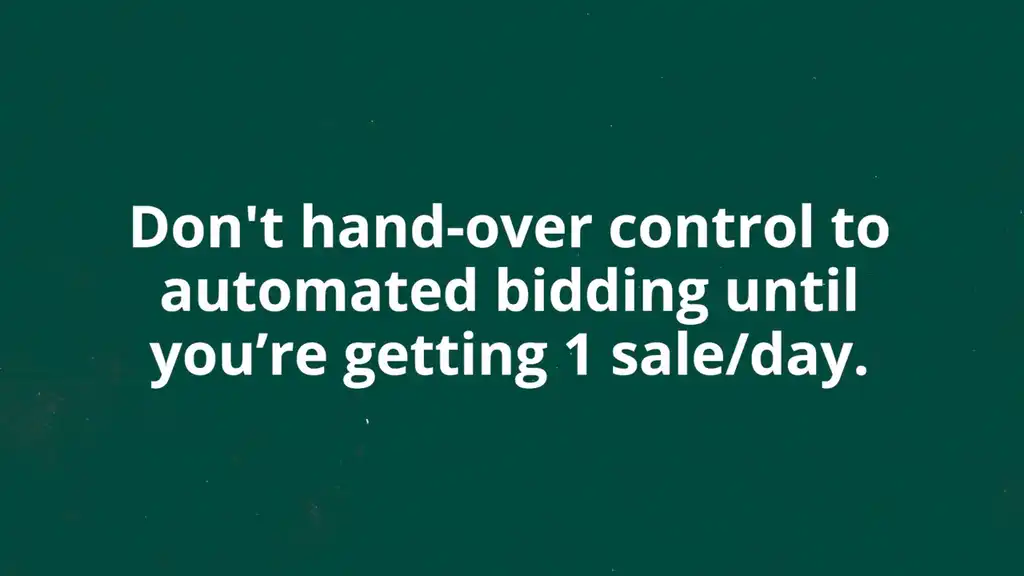
Don’t hand control to automated bidding until you’re getting a sale per day. Once you get a sale per day, automated bidding will be more accurate and help you scale. So that’s about 30 conversions a month. Make sure you have conversion tracking set up correctly in your Shopify store before you start, otherwise the data you’re feeding the algorithm is worthless.
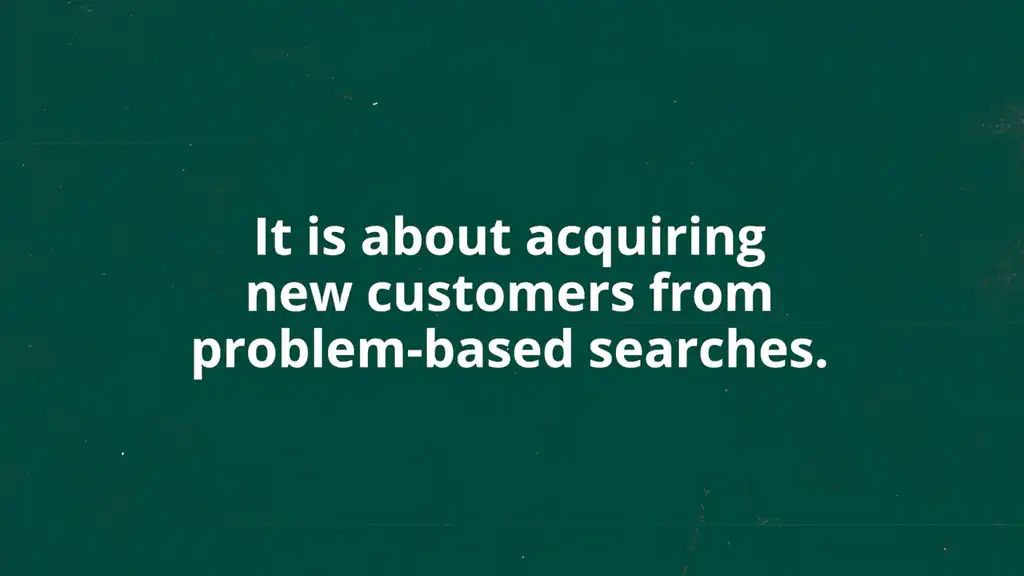
Another thing you must do for this new strategy is to exclude brand terms. This campaign is not about harvesting people who already know the brand. It is about acquiring new customers from problem-based searches.
In terms of ad group structure, create one ad group per advertorial or landing page so you can see which pages are performing and the relevant keywords associated with that ad group as well.
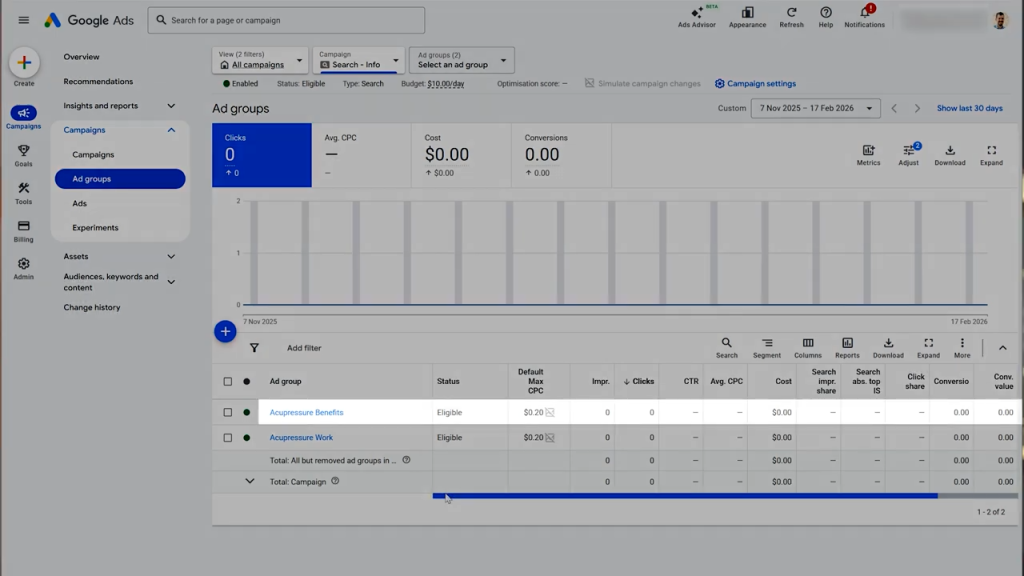
This lets you optimize them and makes testing and scaling much cleaner. Each search theme gets its own tightly aligned landing page. No mixing. No broad grouping.
Matching Your Ad Copy to the Search Intent
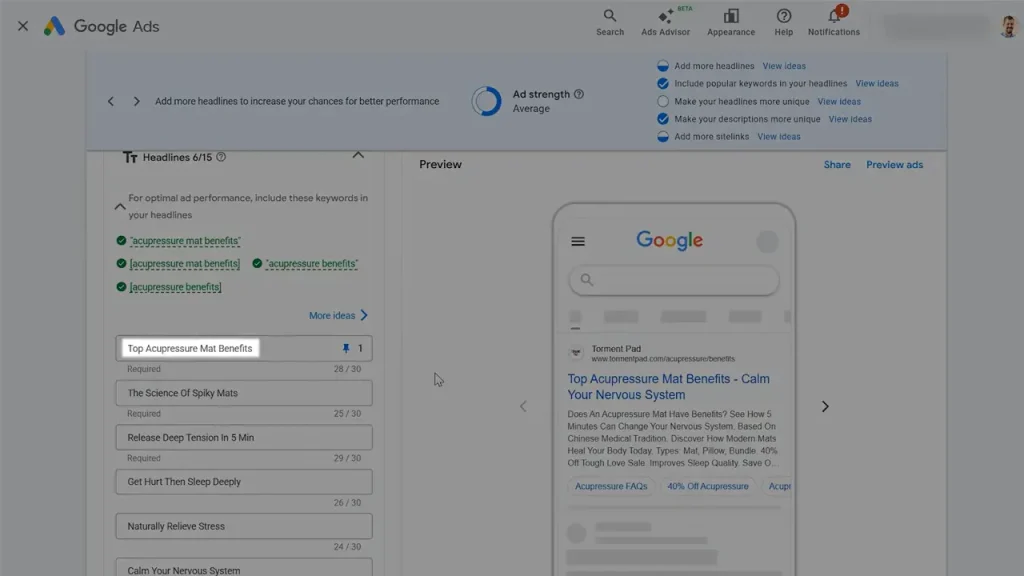
Your ad copy should match intent, not sell aggressively. The headline should closely mirror the search term. If the keyword is “acupressure mat benefits,” your headline should match. For example, “Top Acupressure Mat Benefits.”
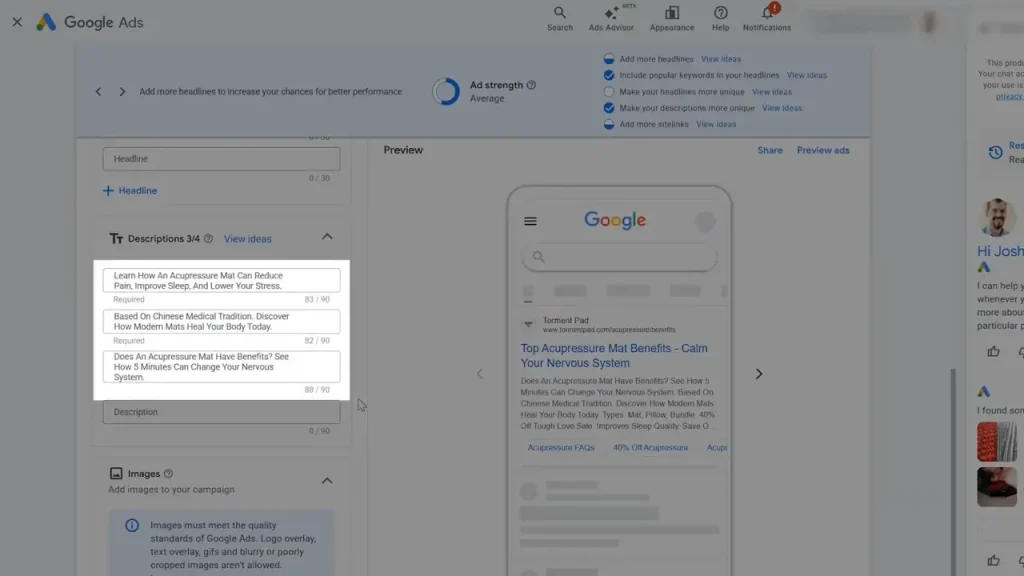
The description should reinforce the education angle, not push a discount: “Learn How An Acupressure Mat Can Reduce Pain, Improve Sleep, And Lower Your Stress.” Continue the conversation. Don’t change it.
This match drives higher click-through rates and ultimately better Quality Scores to save you money on every click. And when everything aligns, the algorithm works with you instead of fighting against you.
Using Dynamic Search Ads to Scale Coverage
Now, if you want an even simpler version of this strategy, there is one. Instead of manually building out every keyword, you can run a Dynamic Search campaign that targets your advertorial content.
When creating a new search ad group, select Dynamic instead of Standard. Then for the targeting, if you’re using Shopify, select a rule of “/blogs” or “/pages.”
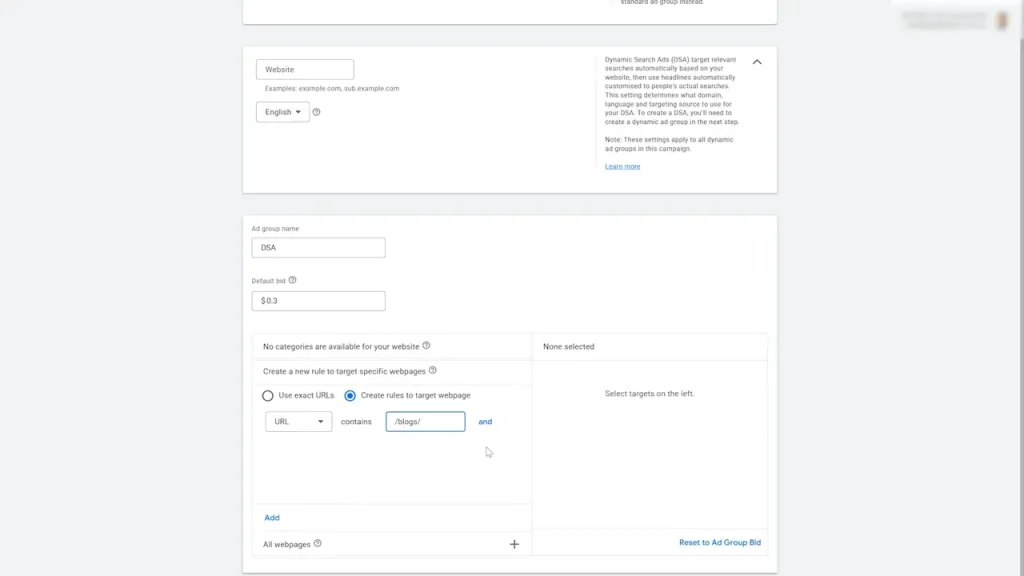
This allows Google to match search queries to your blogs or pages where advertorials exist for Shopify brands. You can also create exclusion rules to avoid advertising content like your privacy policy.
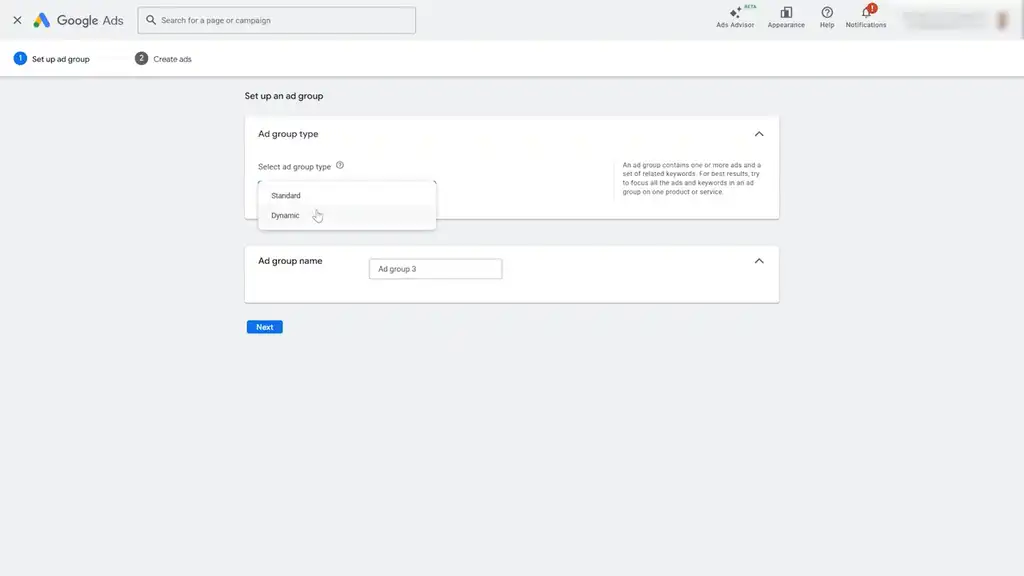
You do not have to do expensive keyword research. The system uses the content on your site to determine when to show your ads. The better your SEO, the stronger this performs. Clear titles, strong on-page structure, and well-written content give Google more signals to match the right searches.
When your content is strong, Dynamic Search becomes a multiplier. It captures long-tail queries you might never think to bid on manually. If manual search gives you control, Dynamic Search gives you coverage. And when paired with the structured advertorial system you built earlier, it becomes a scalable layer on top of everything else.
Together, they turn this from a tactic into a complete acquisition system. Most Shopify stores can hit a ceiling, even with cheaper clicks, because they misunderstand how Google Ads actually works behind the scenes. You can double your ROAS and still lose money if you ignore the way the system optimizes your traffic. This is exactly what the top-performing brands scaling Google Ads are doing differently right now.
Get my free Google Ads checklist for Shopify stores to start building more profitable systems while simultaneously cutting your advertising costs.
What You Should Do Next...
Get More Free Tactics
Join over 5,000 subscribers. I send what's working in Google Ads, SEO and Meta Ads, taken from the Shopify accounts we run.
Work With Us
We partner with a small number of Shopify stores each quarter to scale paid ads, SEO, and conversion rate. If you're serious about growth, apply below. If it's a fit, we'll schedule a call to map out your plan.
APPLY TO WORK WITH US